-
 奥希替尼费用多少钱
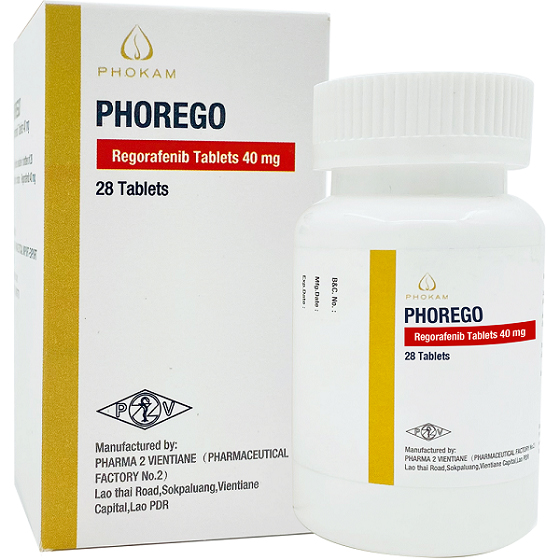
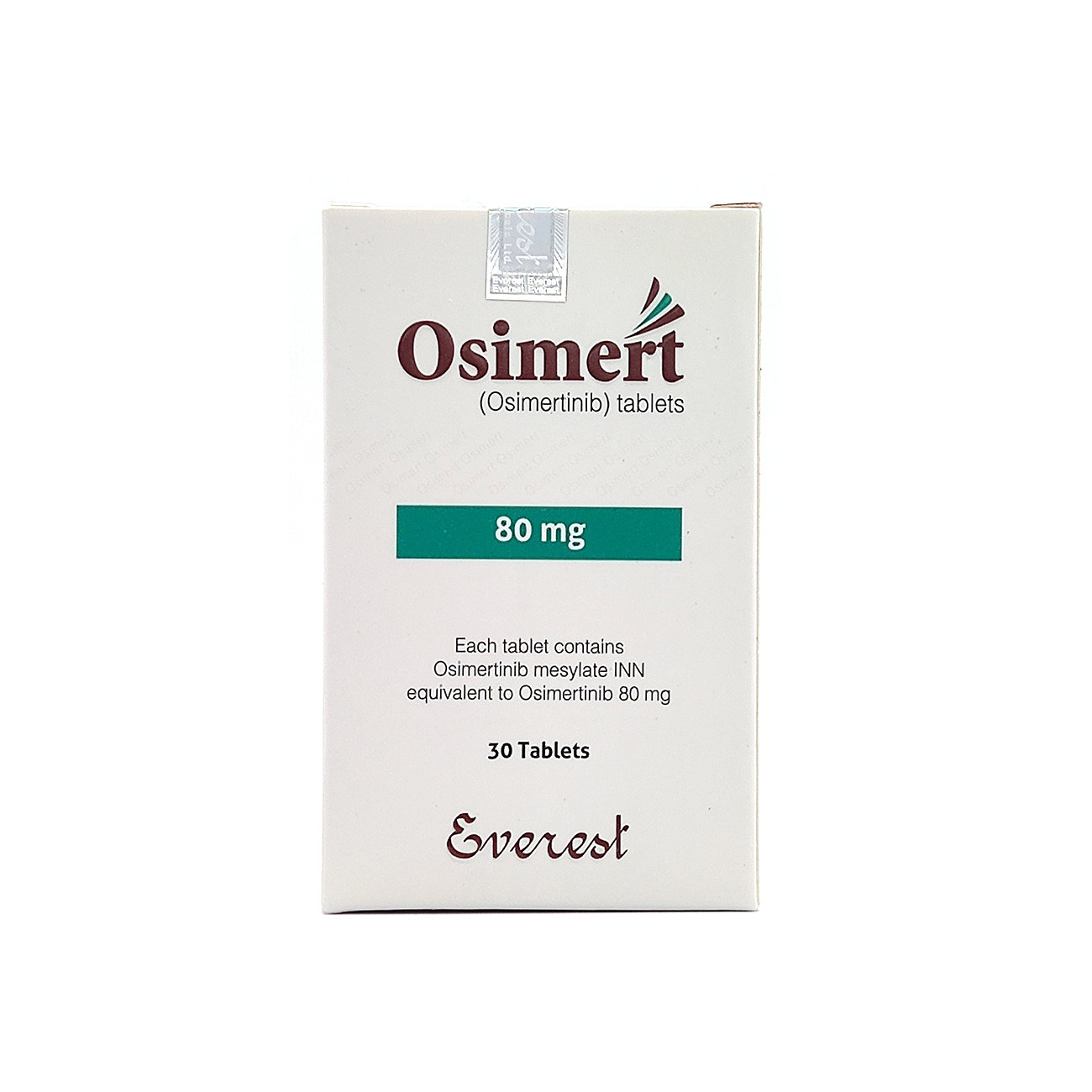
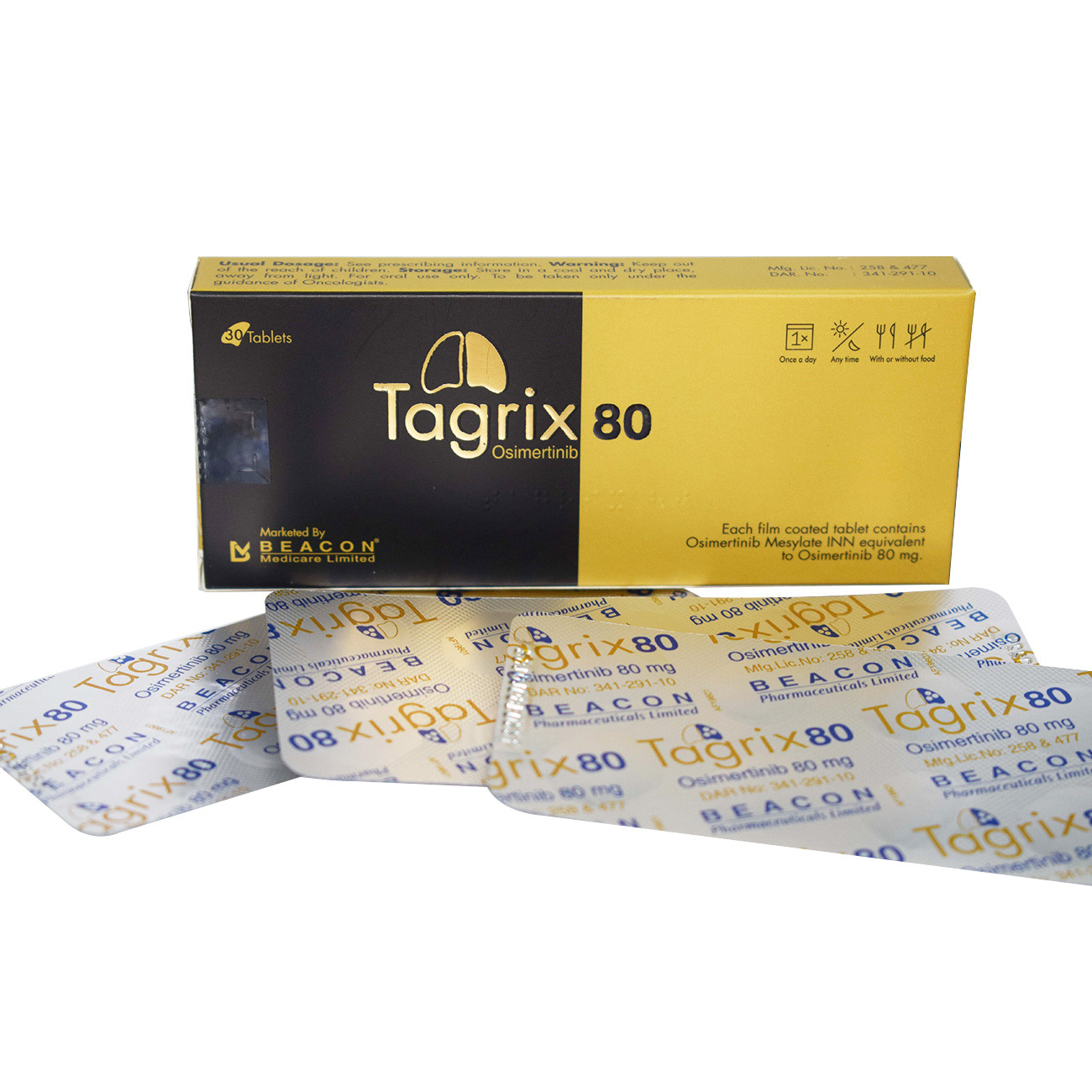
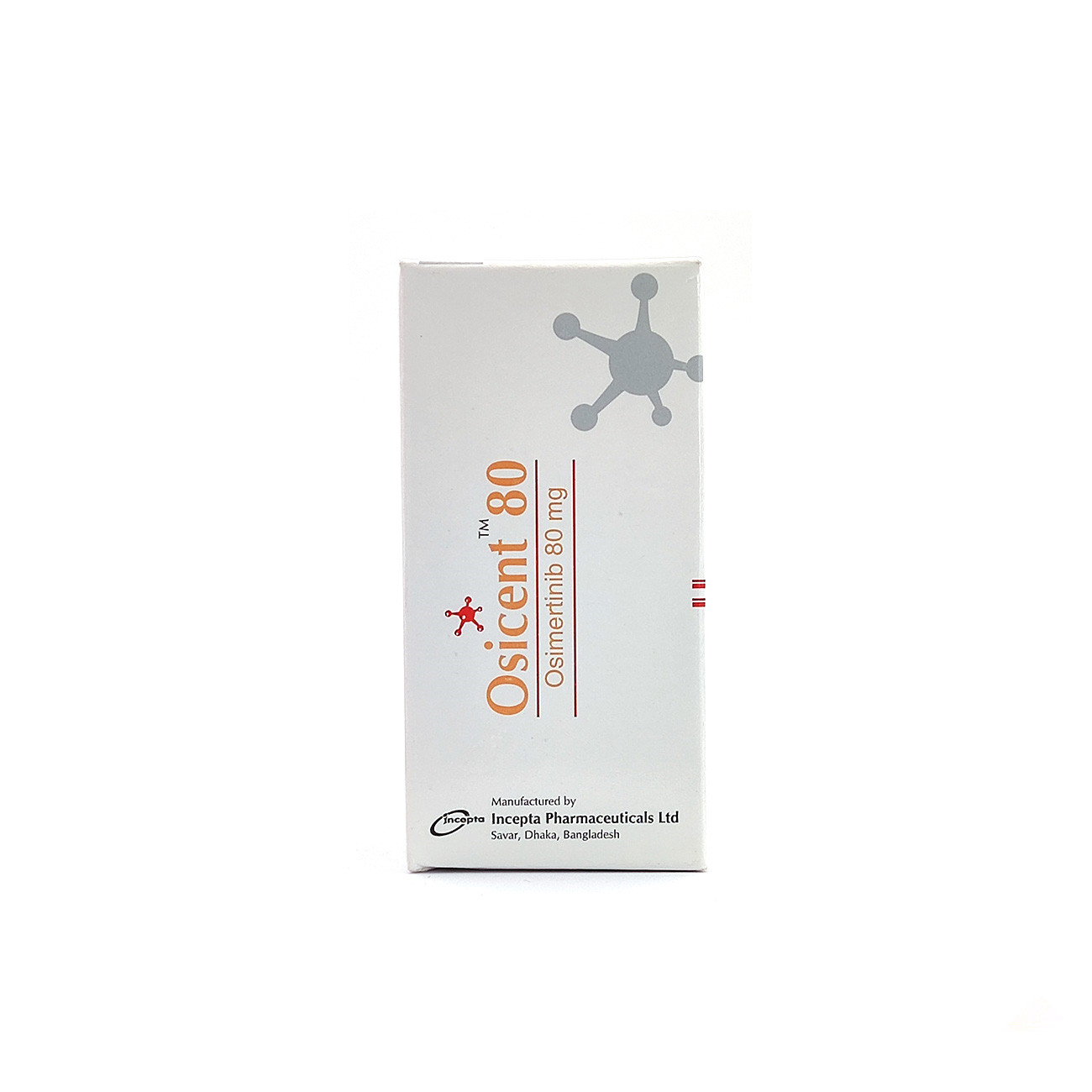
奥希替尼费用多少钱,奥希替尼(Osimertinib)的版本有:1、老挝大熊制药版本;2、老挝贝泉生物版本;3、英国阿斯利康版本;4、孟加拉耀品国际版本;5、老挝第二制药版本;6、孟加拉碧康制药版本;7、孟加拉珠峰制药版本;8、老挝东盟制药版本。代购价格是1300元-2300元左右,不同版本价格不同,以实际为准。请选择正规海外代购渠道,以保证产品质量。奥希替尼(Osimertinib)是一种用于治疗非小细胞肺癌的药物。它属于酪氨酸激酶抑制剂,可用于EGFR(表皮生长因子受体)突变的晚期或转移性非小细胞肺癌患者的治疗。奥希替尼的问世为这类患者提供了一种新的治疗选择。然而,很多人对奥希替尼的费用情况感兴趣,下面我们将对此进行介绍。 1. 奥希替尼的费用情况 奥希替尼是一种高效且创新的药物,但其价格相对较高。具体费用因多个因素而异,包括患者所在地区、医疗保险覆盖情况、购买途径等。在世界各地,奥希替尼的价格都有所不同。此外,药物的剂量和治疗时长也会影响费用。因此,想要准确了解奥希替尼的费用,最好咨询医生或与当地的医药机构联系。 2. 奥希替尼的价格差异 在不同的国家或地区,奥希替尼的价格可能存在较大差异。这主要是由于各地政府的医疗体制、药品审批机构、药价管理政策以及生产厂商的定价策略等方面的影响。有些国家可能会对药品进行谈判以降低价格,而另一些国家则可能存在较高的药品价格。因此,奥希替尼的费用会因国家而异。 3. 奥希替尼的医保和补贴政策 在一些国家或地区,奥希替尼可能被纳入国家医保体系或享受相应的补贴政策。这些政策的具体内容会因国家和地区而异。有些国家可能为符合条件的患者提供补贴或减免部分药物费用,以确保他们能够获得所需的治疗。因此,患者应该咨询相关医疗机构或医生,了解当地的医保和补贴政策。 4. 如何降低奥希替尼的费用 对于那些承担高昂治疗费用的患者来说,寻找降低奥希替尼费用的途径非常重要。以下是一些建议: 研究医疗保险:了解自己的医疗保险覆盖范围,看是否能够承担奥希替尼的费用或获得一定的补贴。 探索药品折扣计划:有些药厂或药物提供商会为患者提供特殊折扣计划,以帮助他们获得药物。 寻找替代选择:与医生探讨其他治疗方案或药物选项,有时可能会找到更为经济实惠的替代方案。 参与临床试验:一些医疗机构可能正在进行奥希替尼的临床试验,作为参试者,您可能能够获得免费或廉价的治疗。 总之,奥希替尼是一种非小细胞肺癌患者的重要药物。尽管其价格较高,但患者可以通过探索医疗保险、补贴政策、药品折扣计划等途径,降低奥希替尼的费用负担。与医生和医药机构保持联系,获取有关费用和经济援助方面的最新信息,将有助于患者获得有效的治疗并维持身体健康。
2025-11-30
-
奥希替尼平均几个月耐药
奥希替尼平均几个月耐药,奥希替尼(Osimertinib)的耐药性,以下是一些相关信息:1.原发性耐药性:在某些情况下,患者初始接受奥希替尼治疗时可能就具有耐药性。这种情况下,患者最初的肿瘤细胞可能已经具有EGFR突变的其他变异,导致奥希替尼对其失效。2.后期耐药性:尽管奥希替尼在治疗初期可能非常有效,但在一些患者中,后期耐药性仍然可能发展。最常见的耐药机制是EGFRT790M突变,该突变使得肿瘤细胞对奥希替尼的抑制作用降低。奥希替尼(Osimertinib)作为一种靶向治疗药物,在治疗非小细胞肺癌(NSCLC)患者中展现出了显著的疗效。随着治疗时间的延长,一些患者可能会产生耐药性,导致药物治疗效果的减弱。针对奥希替尼耐药性的研究成果显示,患者在接受奥希替尼治疗后平均耐药时间为几个月?以下是对这一问题的探讨和总结。 奥希替尼耐药性研究: 1. 奥希替尼的疗效初现: 奥希替尼作为第三代表皮生长因子受体(EGFR)酪氨酸激酶抑制剂,具有针对EGFR突变的高选择性。临床试验表明,奥希替尼在治疗EGFR突变阳性的NSCLC患者中,能够显著延长无进展生存期(PFS),并提高总体生存率。 2. 耐药性的挑战: 与许多其他靶向治疗药物一样,奥希替尼的长期使用可能会导致耐药性的发展。一些研究表明,奥希替尼耐药性主要通过EGFR基因突变(如T790M突变)或其他机制(如MET扩增)来实现。 3. 平均耐药时间: 根据多项临床研究的结果,患者在接受奥希替尼治疗后,平均耐药时间约为12至18个月。这一时间范围可能会因个体差异、疾病特征以及治疗方案等因素而有所不同。 4. 应对策略: 针对奥希替尼耐药性的挑战,研究人员正在积极探索新的治疗策略。例如,开发针对新的耐药突变的靶向药物,或者探索奥希替尼与其他治疗药物的联合应用,以延长患者的生存时间和提高治疗效果。 尽管奥希替尼作为一种有效的靶向治疗药物在肺癌治疗中取得了显著进展,但其耐药性仍然是一个不可忽视的问题。了解奥希替尼的耐药机制以及平均耐药时间,有助于临床医生更好地制定治疗方案,并加强对患者的监测和管理,以最大程度地延长治疗效果。同时,持续的研究和创新将为克服奥希替尼耐药性提供更多的治疗选择和希望。
2025-11-29
-
奥希替尼(Osimertinib)特药
肺癌是一种常见的恶性肿瘤,由于其高度侵袭性和缺乏明显症状,往往在晚期才被发现,导致治疗难度增加。医学科技的进步在改善肺癌患者的预后方面取得了显著的突破。奥希替尼(Osimertinib)是一种具有创新性的特药,它为肺癌患者提供了一线治疗和后期治疗的有效选择。本文将介绍奥希替尼的作用机制、临床应用和潜在的副作用。 1. 奥希替尼的作用机制 奥希替尼是一种酪氨酸激酶抑制剂,通过抑制肿瘤细胞中的特定突变蛋白表达,起到抗肿瘤作用。具体来说,奥希替尼主要靶向EGFR基因突变,特别是EGFR T790M突变,这是导致一些肺癌耐药的关键突变之一。奥希替尼与这一突变蛋白结合,阻断了攀爬信号通路的激活以及细胞增殖和存活的信号传导,从而抑制了肿瘤生长。 2. 奥希替尼的临床应用 奥希替尼的临床应用主要是针对EGFR T790M突变阳性的晚期非小细胞肺癌患者。相较于传统的治疗方案,如化疗和其他EGFR酪氨酸激酶抑制剂,奥希替尼表现出更高的疗效和更低的副作用。由于其高度的目标选择性,奥希替尼能够精确地靶向突变蛋白,减少对健康细胞的损伤,并提高肿瘤治疗的成功率。 3. 奥希替尼的潜在副作用 虽然奥希替尼是一种高效而安全的药物,但它仍可能引起一些副作用。常见的副作用包括皮疹、恶心、腹泻和疲劳等。这些不良反应通常是轻度和可逆的,而且能够通过合理的剂量调整和其他对症治疗来缓解。每个患者的反应可能不同,因此在治疗期间,医生会密切关注患者的情况,并提供必要的支持和指导。 4. 奥希替尼的展望 奥希替尼作为一种创新的特药,已经带来了巨大的突破,改变了晚期非小细胞肺癌的治疗模式。肺癌的研究仍在持续进行,我们可以期待未来会有更多的创新药物的问世。同时,个体化治疗也是未来的发展方向,通过基因检测和分子标志物的选择,将药物针对性地应用于特定患者,进一步提高疗效。 总而言之,奥希替尼的出现为肺癌患者带来了新的希望。其创新的作用机制和良好的临床应用表现使其成为肺癌治疗中的重要药物。我们仍需认识到每个患者的情况不同,所以在选择特药治疗方案时应该依据个体化的情况进行。希望随着科学的进一步发展,我们能够不断改善肺癌治疗的效果,为患者提供更好的生活质量。
2025-11-28
-
泰瑞沙(Osimertinib)奥希替尼是什么药
泰瑞沙(Osimertinib)是一种针对EGFR基因突变相关的非小细胞肺癌(NSCLC)的靶向治疗药物。它被广泛应用于治疗已经发生EGFR T790M突变的患者,这是一种难以治疗的肺癌变体。奥希替尼是一种口服药物,通过抑制EGFR蛋白激酶活性来抑制肿瘤生长。它是许多肺癌患者的重要救命药物。 1. 泰瑞沙的作用机制 奥希替尼主要通过与EGFR酪氨酸激酶结合并抑制其酪氨酸激酶活性,从而抑制肿瘤细胞的生长和扩散。与其他EGFR抑制剂相比,奥希替尼对于EGFR T790M突变体表现出更高的选择性,这种突变常导致其他治疗药物失效。泰瑞沙还能穿越血脑屏障,对于有脑转移的肺癌患者来说尤为重要。 2. 临床应用 奥希替尼主要用于治疗EGFR T790M突变相关的NSCLC。患者需要在接受其他EGFR抑制剂治疗且病情进展后,才能转换为奥希替尼治疗。此外,奥希替尼也在一线治疗中显示出很好的效果,尤其对于EGFR基因突变阳性的NSCLC患者。 3. 疗效与副作用 奥希替尼在许多临床试验中显示出良好的疗效。与其他治疗方法相比,它能够显著延长患者的生存期和缓解症状。然而,如所有药物一样,奥希替尼也可能引起一些副作用,包括腹泻、皮疹、乏力、指甲炎等。患者在使用药物期间应密切监测,及时报告任何不适症状,并与医生保持良好的沟通。 4. 发展前景与研究进展 泰瑞沙作为一种靶向治疗药物,在肺癌治疗领域取得了显著的突破。然而,由于肺癌的复杂性和耐药性的出现,仍然有很多研究在进行,以进一步改善奥希替尼的疗效。未来可能的发展包括与其他药物的联合治疗,以及针对其他激酶突变的新型靶向药物的开发。 总结起来,泰瑞沙(Osimertinib)是一种针对EGFR基因突变相关的非小细胞肺癌的靶向治疗药物。其作用机制是通过抑制肿瘤细胞生长的关键蛋白激酶EGFR,展现了显著的临床疗效。尽管存在些许副作用,泰瑞沙已经成为许多患者的重要救命药物,并为肺癌治疗的未来发展提供了新的方向。
2025-11-20
-
奥希替尼的副作用多久消失
奥希替尼的副作用多久消失,奥希替尼(Osimertinib)常见副作用包括腹泻、皮疹、干皮症、口腔炎、指甲改变、疲劳、食欲减少和咳嗽。较少见但严重的副作用包括心脏问题和间质性肺病。使用时应接受适当的监测。奥希替尼(Osimertinib)是一种用于治疗特定类型的非小细胞肺癌(NSCLC)的药物。它的主要疗效包括:1、治疗EGFR突变阳性的非小细胞肺癌;2、治疗EGFRT790M突变阳性的非小细胞肺癌。该药品在治疗相关疾病方面表现出色,疗效显著、安全性高,极大地提高了患者的生活质量。奥希替尼(Osimertinib)是一种用于治疗非小细胞肺癌的靶向药物,通常用于治疗EGFR基因突变阳性的晚期或转移性肺癌患者。虽然奥希替尼在治疗肺癌方面表现出良好的疗效,但也伴随着一系列可能出现的副作用。患者在接受奥希替尼治疗期间可能会面临头痛、咳嗽、乏力、皮疹等不适,这些副作用在治疗期间需要引起重视和及时处理。那么,对于患者来说,关心的一个问题是,这些副作用会在停药后多久消失呢?下面将对此进行详细介绍。 1. 副作用消退时间因人而异 对于每个患者来说,奥希替尼的副作用消退时间可能会有所不同。这取决于个体的身体状况、治疗过程中出现副作用的严重程度以及停药后的康复情况等因素。一般来说,轻度的副作用可能会在停药后几天内逐渐减轻或消失,而严重的副作用则可能需要更长的时间才能完全缓解。 2. 头痛、咳嗽等轻度副作用可能较快消失 一些轻度的副作用,如头痛、咳嗽、乏力等,通常会在停药后几天内逐渐减轻或消失。这些副作用大多是由于药物对身体的影响而引起的,一旦停止使用奥希替尼,药物的作用逐渐消退,副作用也会相应减轻。 3. 皮疹等较严重副作用可能需要更长时间消退 一些较严重的副作用,如皮疹、呼吸困难、肝功能异常等,可能需要更长的时间才能完全消退。这些副作用往往反映了身体对药物的较强反应,停药后可能仍需一段时间才能完全康复。在此过程中,患者需要密切监测自己的身体状况,并根据医生的建议进行相应的治疗和康复措施。 4. 个体差异需注意副作用消退情况 总的来说,奥希替尼的副作用消退时间因人而异,患者在接受治疗期间应密切关注自己的身体反应,并及时向医生报告任何不适。在停药后,患者需要耐心等待副作用逐渐消退,并根据自身情况进行相应的康复和治疗。同时,定期复诊也是必不可少的,以确保疾病得到有效控制,并及时调整治疗方案。
2025-11-15
-
Osimertinib功效与作用
Osimertinib功效与作用,Osimertinib(Osimertinib)是一种用于治疗特定类型的非小细胞肺癌(NSCLC)的药物。它的主要疗效包括:1、治疗EGFR突变阳性的非小细胞肺癌;2、治疗EGFRT790M突变阳性的非小细胞肺癌。该药品在治疗相关疾病方面表现出色,疗效显著、安全性高,极大地提高了患者的生活质量。奥希替尼(Osimertinib)是一种用于治疗特定类型的肺癌的药物。它是一种口服的靶向治疗药物,主要用于EGFR(表皮生长因子受体)突变阳性的非小细胞肺癌患者。随着肺癌治疗领域的进步,奥希替尼已经成为一线治疗方案中的重要药物。本文将介绍奥希替尼的功效与作用,以帮助读者更好地了解这种药物的治疗效果。 1. 靶向EGFR突变 EGFR突变是非小细胞肺癌最常见的致病基因之一。奥希替尼通过靶向抑制EGFR突变,干扰癌细胞的增殖和生存信号传导。它具有高度选择性,能够与EGFR突变结合,抑制其激活,从而抑制肿瘤的生长。 2. 对T790M突变的治疗 T790M突变是导致EGFR突变肺癌患者对常规EGFR抑制剂产生耐药性的主要原因之一。幸运的是,奥希替尼具有对T790M突变的独特抑制作用,可以克服其他EGFR抑制剂的耐药问题。这使得奥希替尼成为一线治疗肺癌的理想选择。 3. 脑转移的控制 肺癌的脑转移是该疾病的严重并发症之一,给患者带来极大的困扰。奥希替尼在控制脑转移方面具有显著的效果。它能够穿过血脑屏障,抑制脑转移病灶中的肿瘤细胞,并延缓病情进展,提高生存率。 4. 副作用的可控性 与化疗等传统抗癌药物相比,奥希替尼的副作用更为温和且可控。常见的不良反应包括腹泻、皮疹、乏力等,并且通常较为轻微。此外,该药物对心血管系统和肝功能的影响相对较小,使得许多患者能够更好地耐受并坚持治疗。 总结: 奥希替尼作为一种靶向治疗药物,对EGFR突变阳性的非小细胞肺癌患者具有显著的疗效。它通过靶向抑制EGFR突变和T790M突变,控制脑转移并减轻不良反应,为肺癌患者带来新的治疗希望。然而,每个患者的情况各异,治疗前仍需咨询医生进行综合判断和个体化的治疗方案制定。
2025-11-10
-
泰瑞沙(奥希替尼)Osimertinib怎么买的到
泰瑞沙(奥希替尼)Osimertinib怎么买的到,奥希替尼(Osimertinib)主要购买渠道包括:1、医院药房;2、线上药店;3、正规海外代购。处方药应当凭医师处方销售、调剂和使用,需根据自身需求选择合适正规的方式购买。泰瑞沙(奥希替尼)是一种用于治疗非小细胞肺癌(NSCLC)的药物。要购买泰瑞沙(奥希替尼),首先需要获得医生的处方,然后可以在合法的药店或药房购买。购买药物时,务必遵循医生的指导,并在合法、可靠的渠道下进行购买。接下来将详细介绍如何购买奥希替尼并注意事项。 1. 需要医生处方 购买奥希替尼之前,患者首先需要向医生进行咨询,并且获得一份有效的处方。奥希替尼是一种处方药,因此在购买前,必须经过医生的诊断,并据此开具处方。医生将根据患者的病情和需求来决定是否适合使用奥希替尼以及合适的剂量。 2. 前往合法药店购买 获得处方后,患者可以前往合法的药店或药房购买奥希替尼。在购买过程中,务必选择有资质、信誉良好的药店,确保购买到真正的药物,并避免购买到假冒伪劣产品。可以向医生咨询,以获取可靠的药店信息。 3. 确保药物质量和正规渠道 在购买奥希替尼时,患者需仔细核对药品包装、标签和说明书,确保购买到的药物是符合标准的正规产品。同时,应选择正规渠道购买,避免通过非法渠道或互联网购买药物,以免购买到次品或冒充药物,造成健康风险。 4. 关注药物的有效期和存储条件 购买奥希替尼后,患者应注意核对药物的生产日期、有效期等信息,并严格按照药品说明书中的存储条件存放药物。及时关注药物的有效期,避免使用过期药物,确保药物的疗效和安全性。 在购买奥希替尼时,患者应严格遵循医生的处方指导,选择信誉好的正规药店购买,并留意药物的质量、有效期和存储条件,以确保用药安全和疗效。在使用过程中,如有任何疑问或不良反应,应及时向医生寻求帮助和建议。
2025-11-10
-
甲磺酸奥希替尼(Osimertinib)片的作用
甲磺酸奥希替尼(Osimertinib)片的作用,奥希替尼(Osimertinib)是一种用于治疗特定类型的非小细胞肺癌(NSCLC)的药物。它的主要疗效包括:1、治疗EGFR突变阳性的非小细胞肺癌;2、治疗EGFRT790M突变阳性的非小细胞肺癌。该药品在治疗相关疾病方面表现出色,疗效显著、安全性高,极大地提高了患者的生活质量。甲磺酸奥希替尼(Osimertinib)是一种用于治疗肺癌的靶向治疗药物。它被广泛应用于EGFR突变阳性的非小细胞肺癌(NSCLC)患者,特别是那些出现EGFR T790M突变的患者。这篇文章将详细介绍甲磺酸奥希替尼在肺癌治疗中的作用。 1. EGFR突变和肺癌 肺癌是最常见的癌症之一,而EGFR(表皮生长因子受体)是影响肺癌发展的重要基因。EGFR基因突变会导致细胞增殖和生存的异常,从而促进肿瘤的形成和扩张。EGFR突变阳性的患者通常对EGFR靶向治疗药物更敏感,这为他们提供了一种有效的治疗选择。 2. 甲磺酸奥希替尼的工作原理 甲磺酸奥希替尼是一种第三代EGFR酪氨酸激酶抑制剂。它通过抑制EGFR信号通路的激活来干扰肿瘤细胞的增殖和生存。与其他EGFR抑制剂不同,甲磺酸奥希替尼还能有效抑制EGFR T790M突变,这是一种常见的耐药突变。甲磺酸奥希替尼的独特作用机制赋予了它在EGFR突变阳性肺癌的治疗中的重要地位。 3. 甲磺酸奥希替尼的疗效 临床研究表明,甲磺酸奥希替尼在EGFR突变阳性非小细胞肺癌患者中显示出显著的抗肿瘤活性。它能够抑制肿瘤的生长、减小肿瘤体积,并延长患者的生存期。特别是对那些出现EGFR T790M突变的患者,甲磺酸奥希替尼的治疗效果尤为显著。 4. 甲磺酸奥希替尼的副作用 尽管甲磺酸奥希替尼在肺癌治疗中表现出很好的疗效,但它也可能引起一些副作用。常见的副作用包括皮疹、恶心、呕吐、腹泻、疲劳等。在使用甲磺酸奥希替尼时,医生会根据患者的具体情况来管理和缓解这些副作用。 在肺癌治疗中,甲磺酸奥希替尼作为一种靶向治疗药物,已经显露出了不可替代的重要性。它通过抑制EGFR信号通路的激活,干扰肿瘤细胞的增殖和生存,为EGFR突变阳性的非小细胞肺癌患者提供了一种有效的治疗选择。在使用甲磺酸奥希替尼时,患者应密切关注并告知医生他们可能出现的任何副作用,以确保他们能够得到适当的管理和支持。
2025-11-01
-
Osimertinib多久耐药
Osimertinib多久耐药,Osimertinib(Osimertinib)的耐药性,以下是一些相关信息:1.原发性耐药性:在某些情况下,患者初始接受奥希替尼治疗时可能就具有耐药性。这种情况下,患者最初的肿瘤细胞可能已经具有EGFR突变的其他变异,导致奥希替尼对其失效。2.后期耐药性:尽管奥希替尼在治疗初期可能非常有效,但在一些患者中,后期耐药性仍然可能发展。最常见的耐药机制是EGFRT790M突变,该突变使得肿瘤细胞对奥希替尼的抑制作用降低。Osimertinib, also known by its trade name Tagrisso, is a targeted therapy approved for the treatment of non-small cell lung cancer (NSCLC) with specific mutations in the epidermal growth factor receptor (EGFR) gene. This medication has shown significant efficacy in controlling cancer growth and improving overall survival in patients. However, like many other cancer treatments, the development of resistance to Osimertinib remains a significant challenge in the long-term management of NSCLC. In this article, we will explore the duration of Osimertinib effectiveness and the mechanisms behind its eventual resistance. 1. Introduction: Osimertinib's Role in Lung Cancer Treatment Osimertinib is a third-generation EGFR tyrosine kinase inhibitor (TKI) that was specifically designed to target both common EGFR-activating mutations (like Exon 19 deletion and L858R) as well as the EGFR T790M resistance mutation. It has demonstrated superior efficacy compared to earlier-generation EGFR TKIs in clinical trials and has become the standard of care for EGFR-mutated advanced NSCLC. However, despite its initial effectiveness, the emergence of resistance remains a concern. 2. Acquired Resistance to Osimertinib With prolonged use, some patients develop acquired resistance to Osimertinib. Acquired resistance refers to the tumor's ability to grow and progress despite ongoing treatment, indicating that the cancer cells have developed mechanisms to bypass the drug's inhibitory effects. Various mechanisms have been proposed to explain acquired resistance to Osimertinib, some of which include the emergence of new EGFR mutations, activation of alternative signaling pathways, and histological transformation of the tumor. 3. Mechanisms of Resistance a. Emergence of secondary EGFR mutations: In some cases, tumors develop additional EGFR mutations (besides the primary activating mutation) that render them insensitive to Osimertinib. EGFR C797S, L792H, and L718Q mutations have been identified as potential causes of resistance to Osimertinib. b. Activation of bypass signaling pathways: Cancer cells can switch to alternative signaling pathways that circumvent EGFR signaling and promote tumor growth. Activation of signaling pathways such as MET amplification, HER2 amplification, and downstream activation of the MAPK or PI3K/AKT/mTOR pathways can confer resistance to Osimertinib. c. Histological transformation: In some instances, the tumor undergoes histological transformation, changing from NSCLC to small cell lung cancer (SCLC) or other histologic subtypes. These transformed cancer cells are inherently resistant to EGFR TKIs, including Osimertinib. 4. Duration of Osimertinib Effectiveness The duration of Osimertinib effectiveness varies among patients. Some individuals may experience a longer response to therapy, while others may develop resistance within a relatively short period. On average, the median time to disease progression with Osimertinib treatment is approximately 19-21 months. However, it is essential to note that individual responses can be influenced by various factors, such as the specific EGFR mutation, tumor burden, and patient characteristics. In conclusion, Osimertinib has revolutionized the treatment of EGFR-mutated NSCLC, offering improved efficacy and tolerability compared to previous therapies. However, acquired resistance remains a significant challenge in the long-term management of this disease. Understanding the mechanisms of resistance and developing novel strategies to overcome it is vital for improving patient outcomes and extending the duration of Osimertinib's effectiveness.
2025-11-01
-
奥希替尼三代靶向药
肺癌一直是全球范围内致命的疾病之一,但随着医学技术的不断发展,针对肺癌的治疗手段也在不断创新。奥希替尼(Osimertinib)作为第三代靶向药物,为肺癌患者带来了新的希望。本文将探讨奥希替尼在肺癌治疗中的突破,以及其在临床应用中的重要性。 奥希替尼:靶向肺癌突变基因的利器 1. 靶向特定突变基因 奥希替尼是一种靶向治疗药物,主要针对肺癌中的特定突变基因,如EGFR基因突变。相较于传统化疗,奥希替尼能够更精准地作用于肺癌细胞,减少对健康组织的伤害,提高治疗效果。 2. 抑制肿瘤生长 通过抑制肿瘤细胞中的特定信号通路,奥希替尼能够阻断肿瘤的生长和扩散,从而延长患者的生存期。这种针对肿瘤细胞的精准治疗策略,为肺癌患者带来了更多的治疗选择。 3. 克服耐药性 与传统的靶向治疗药物相比,奥希替尼具有更低的耐药性。即使在一些患者出现耐药情况时,奥希替尼仍然能够有效发挥作用,为患者提供持续的治疗效果,延长生存时间。 奥希替尼在肺癌治疗中的临床应用 4. 临床研究结果 大量临床研究证实了奥希替尼在治疗EGFR突变阳性的非小细胞肺癌患者中的显著疗效。许多临床试验显示,奥希替尼不仅能够延长患者的无进展生存期,还能够改善患者的生活质量。 5. FDA批准 由于其显著的临床疗效,奥希替尼已经被美国食品药品监督管理局(FDA)批准用于治疗EGFR T790M突变阳性的晚期或转移性非小细胞肺癌。这一批准为肺癌患者提供了一个新的治疗选择,为他们带来了新的希望。 结语 奥希替尼作为第三代靶向药物,在肺癌治疗中展现出了巨大的潜力。通过精准靶向肿瘤细胞,抑制肿瘤生长,并且能够克服耐药性,奥希替尼为肺癌患者带来了更多的治疗选择,延长了患者的生存时间,提高了生活质量。随着对该药物的进一步研究和临床应用,相信奥希替尼将为更多肺癌患者带来福音,为肺癌治疗开辟出新的道路。
2025-10-28