科普视频
更多-
 奥希替尼的作用奥希替尼是一种针对EGFR突变的口服靶向治疗药物,广泛应用于治疗EGFR突变阳性的非小细胞肺癌(NSCLC)。EGFR是人体细胞表面的一个受体蛋白,在NSCLC中,突变导致EGFR过度激活,从而促进肿瘤细胞生长和扩散。奥希替尼通过抑制EGFR蛋白的信号传导,从而抑制肿瘤细胞的生长,减少肿瘤扩散和转移。 相较于其他EGFR抑制剂,奥希替尼的突变特异性更高,即只能针对EGFR突变的肿瘤细胞发挥作用,而对EGFR正常的细胞基本没有副作用,因此相对于传统化疗而言,奥希替尼的治疗效果更为显著,并且患者可以更好的耐受治疗。 奥希替尼的临床试验表明,它的应用可以极大的提高EGFR突变的NSCLC患者的总生存期和无进展生存期,同时还可以显著缓解疼痛和其他症状。奥希替尼的治疗优点还在于其副作用较低,且用药便利,采用口服方式,可随时随地进行治疗,不需要入住医院。 除此之外,奥希替尼广泛用于一线和二线治疗,主要适用于:① 未接受过任何治疗的EGFR突变阳性晚期NSCLC患者;② 曾接受过TKI或化疗治疗后出现病情进展的 EGFR突变阳性晚期NSCLC患者。这一利好消息也给受到这种疾病影响的许多患者带来了的希望和信心。 总的来说,奥希替尼是一种治疗NSCLC的突破性口服药物,它的治疗效果相对其他药物而言有显著的优势,且具有副作用低、治疗方便的特点,可以为EGFR突变阳性的NSCLC患者提供更为有效、安全的治疗。未来随着科技的进步,相信奥希替尼会在肺癌治疗领域更加广泛的应用,为肺癌患者带来更多的治疗希望。
问药网 | 您身边的用药科普专家
2023-07-20
-
 奥希替尼的适应症奥希替尼是一种批准用于治疗非小细胞肺癌的药物,它可以帮助患者缓解疼痛、减少症状、减缓病情,并显著改善患者的生活质量。本文将重点介绍奥希替尼的适应症。 首先,奥希替尼适用于遗传突变后的晚期非小细胞肺癌的治疗。具体来说,可以用于已经接受过其他治疗方法(如化疗、靶向治疗)但疗效不佳的患者,也可以用于刚被诊断出并检测到EGFR T790M突变的患者。最近的研究显示,奥希替尼对于EGFR T790M突变的患者有非常好的疗效,并且副作用较小。 其次,奥希替尼适用于早期非小细胞肺癌的治疗。早期治疗的目的是尽早清除癌细胞,降低复发率,并且减少需要以后进行更加剧烈治疗的机会。奥希替尼对于早期非小细胞肺癌的治疗仍在研究中,但目前已经有很多研究表明奥希替尼与传统治疗相比较,效果更佳。 最后,奥希替尼还适用于治疗转移性脑肿瘤。这种类型的癌症比较难治疗,因为一些药物不容易穿透脑血液屏障,并且放射治疗也会受到限制。此时奥希替尼的出现就给了患者新的治疗选择。一些研究表明,奥希替尼能够穿过血脑屏障并杀死脑组织中的癌细胞,对于患者的生存期、生活质量有显著的改善。 总之,奥希替尼是一种非常重要的肺癌治疗药物,可以用于多种类型、多个阶段的非小细胞肺癌。作为一种靶向治疗药物,它能够对癌细胞进行高效杀灭,并且副作用较小、不易产生耐药性。虽然还有许多研究需要进行,但是相信随着技术的发展,未来奥希替尼将会成为非小细胞肺癌治疗的重要组成部分。
问药网 | 您身边的用药科普专家
2023-07-17
-
 奥希替尼的使用说明奥希替尼是一种针对EGFR基因突变的口服靶向药物,适用于晚期或转移性非小细胞肺癌患者的治疗。本文将重点介绍奥希替尼的使用说明。 1. 剂量和用法 奥希替尼的剂量为80毫克/天,以口服的方式,每日一次。建议在饭前或餐后至少一小时服用。如果患者难以吞咽药片,可以将药片打碎并与水一起服用。如果患者忘记服用奥希替尼,应尽快在下一个正常用药时间内补上,并按正常时间表继续用药。 2. 患者筛选 奥希替尼仅适用于经过基因检测(如PCR或NGS)确定为EGFR基因突变阳性的非小细胞肺癌患者。该药物不适用于EGFR突变阴性的患者,因为这些患者使用该药物无效且可能出现副作用。 3. 副作用 奥希替尼的常见副作用包括恶心、呕吐、腹泻、皮疹、疲劳和感染。严重的副作用可能包括血液问题(如贫血、血小板减少或白细胞减少)、肺炎和心脏问题。患者应尽快告知医生任何不适或异常症状出现。 4. 注意事项 使用奥希替尼的患者不应同时使用酸性药物或抗酸药物(如质子泵抑制剂和H2受体拮抗剂),因为这些药物可能降低奥希替尼的疗效。患者在服用奥希替尼期间应避免喝葡萄柚汁,因为葡萄柚汁可能增加药物在体内的浓度,导致副作用加重。 5. 治疗过程 奥希替尼的治疗过程应持续至疾病进展或发生不能容忍的副作用。如果EGFR突变阴性或患者出现严重不良反应,应立即停止使用该药物。 综上所述,奥希替尼是一种治疗EGFR基因突变阳性的非小细胞肺癌患者的口服靶向药物。使用奥希替尼需要严格按照医生的剂量和用法指导,患者应定期接受检查并及时告知医生出现的副作用。
问药网 | 您身边的用药科普专家
2023-07-14
-
 奥希替尼的药物禁忌说明奥希替尼是一种应用于肺癌治疗的靶向药物,也被称为 TAGRISSO。它属于第三代表皮生长因子受体(EGFR)小分子酪氨酸激酶抑制剂。它可有效抑制EGFR中生长因子信号通路的调节,从而抑制肿瘤细胞的生长和扩散。但是,使用奥希替尼也存在禁忌事项,下面就来介绍一下。 一、严禁孕妇和哺乳期妇女使用 奥希替尼使用前,一定要确保是否怀孕或者正在哺乳期。这是由于奥希替尼可能会对胎儿造成危害,甚至导致大面积畸形,因此存在明确的孕妇禁忌症。同时,奥希替尼也可能会通过乳汁进入哺乳期婴儿体内,造成毒性反应,因此对于哺乳期妇女也是禁忌使用。 二、肝功能异常患者禁用 肝脏代谢奥希替尼,因此如果出现肝功能损害,也应停止使用奥希替尼。实验研究表明,奥希替尼在肝微粒体中代谢,其代谢产物被严格控制并在肝脏中消除,而代谢异常会导致药物累积毒性反应。 三、严重心律不齐患者禁用 奥希替尼是靶向治疗肺癌的药物,但是如果患者出现严重心律不齐,也应暂停使用奥希替尼。研究表明,奥希替尼可能会对心脏功能产生影响,如产生QT间期延长、不稳定性心动过速等,因此需要患者接受心电监测并定期检测心电图,确保不会影响患者的心脏功能。 四、对奥希替尼过敏的患者禁用 对奥希替尼或其任何成分过敏的患者禁止使用奥希替尼。这可能会导致过敏反应,如皮肤充血、肿胀、呼吸急促、胸闷等。 总之,客观进行药物治疗之前,应注意药物的禁忌事项,以免因为药物的副作用产生不必要的损失和危害。对于奥希替尼使用者而言,应在专业医生指导下规范使用,在使用期间要做好药物管理,并密切关注身体变化及不适。
问药网 | 您身边的用药科普专家
2023-07-08
健康问答
更多-
怎么购买泰瑞沙(奥希替尼)
怎么购买泰瑞沙(奥希替尼),泰瑞沙(Osimertinib)主要购买渠道包括:1、医院药房;2、线上药店;3、正规海外代购。处方药应当凭医师处方销售、调剂和使用,需根据自身需求选择合适正规的方式购买。如果您正在寻找如何购买泰瑞沙(奥希替尼)用于治疗肺癌的详细指南,那么您来对地方了。以下是一份详尽的指南,介绍了泰瑞沙(奥希替尼)的购买方式、相关注意事项以及可能的选择。 1. 了解泰瑞沙(奥希替尼)的重要信息 泰瑞沙(奥希替尼)是一种治疗肺癌的药物,常用于治疗具有表皮生长因子受体(EGFR)突变的晚期或转移性非小细胞肺癌。这种药物可以帮助延长患者的生存期,并已被证实在一些肺癌患者身上具有显著的疗效。在购买泰瑞沙(奥希替尼)之前,您需要先进行一番了解,并咨询您的医生以获取详细信息。 2. 寻找合格的医疗机构 购买泰瑞沙(奥希替尼)首先需要建立联系的是合格的医疗机构或诊所。您可以咨询您的肿瘤专科医生或肿瘤诊所,他们将能够指导您去何处获取这种药物。 3. 药物获取途径 确定了医疗机构后,您可以进一步了解购买渠道。通常,泰瑞沙(奥希替尼)需要处方才能购买。您的医生将为您提供相关处方,并指导您如何获取这种药物。 4. 购买泰瑞沙(奥希替尼)的成本和保险覆盖范围 泰瑞沙(奥希替尼)是一种高价药物,需要您对其成本有所了解。同时,您还需要了解您的医疗保险是否涵盖了这种药物。如果涵盖范围有限,您可能需要考虑其他财政援助或患者支持计划。 5. 选择合适的购买方式 一旦您了解了泰瑞沙(奥希替尼)的购买渠道和相关费用,您可以与医生一起讨论哪种购买方式最适合您。有时,可能会提供患者支持计划或倡导组织的帮助,以帮助您获取此类药物。 购买泰瑞沙(奥希替尼)是一项重要的决定,因此在做出任何决定之前,请务必咨询专业医生并进行充分的调查。对于那些正在寻求治疗晚期或转移性非小细胞肺癌的患者来说,这种药物可能提供了新的希望与治疗选择。

问药网 | 问药网官方药师
回答时间 2026-07-18 08:18:34
-
吃奥希替尼的副作用有哪些
吃奥希替尼的副作用有哪些,奥希替尼(Osimertinib)常见副作用包括腹泻、皮疹、干皮症、口腔炎、指甲改变、疲劳、食欲减少和咳嗽。较少见但严重的副作用包括心脏问题和间质性肺病。使用时应接受适当的监测。奥希替尼(Osimertinib)是一种用于治疗特定类型的非小细胞肺癌(NSCLC)的药物。它的主要疗效包括:1、治疗EGFR突变阳性的非小细胞肺癌;2、治疗EGFRT790M突变阳性的非小细胞肺癌。该药品在治疗相关疾病方面表现出色,疗效显著、安全性高,极大地提高了患者的生活质量。奥希替尼(Osimertinib)是一种常用于治疗非小细胞肺癌的靶向药物,其具有较好的疗效。与其他药物一样,奥希替尼也可能带来一些副作用。在接受奥希替尼治疗期间,患者需要密切关注自身的身体状况,并及时向医生反映副作用情况,以便及时调整治疗方案。 1. 呼吸系统副作用 奥希替尼治疗肺癌的过程中,患者可能会出现呼吸系统方面的副作用。这些副作用包括咳嗽、呼吸困难、胸闷等症状。有些患者可能会感觉到呼吸急促或气短,这可能是由于药物对肺部组织的影响所致。对于出现呼吸系统副作用的患者,应及时就医,寻求专业的医疗建议。 2. 消化系统副作用 奥希替尼治疗过程中,患者还可能会出现消化系统方面的副作用。这些副作用包括恶心、呕吐、腹泻、胃部不适等症状。有些患者可能会出现食欲减退或消化不良的情况。对于出现消化系统副作用的患者,可以尝试调整饮食习惯,避免食用刺激性食物,并及时就医寻求帮助。 3. 皮肤反应副作用 在接受奥希替尼治疗的过程中,一些患者可能会出现皮肤反应方面的副作用。这些副作用包括皮肤干燥、瘙痒、皮疹等症状。有些患者可能会出现皮肤红肿、疼痛或脱屑的情况。对于出现皮肤反应副作用的患者,可以选择使用滋润剂或局部药物进行缓解,同时及时向医生汇报情况。 4. 其他副作用 除了上述常见的副作用外,奥希替尼还可能引发其他一些不太常见的副作用,如头痛、眩晕、关节疼痛等。有些患者可能会出现血液方面的异常,如白细胞计数下降、贫血等。对于出现以上任何副作用的患者,都应及时向医生咨询,以确定是否需要调整治疗方案。 综上所述,虽然奥希替尼是一种有效的肺癌治疗药物,但在接受治疗过程中可能会出现各种副作用。患者在接受奥希替尼治疗期间,应密切关注自身的身体状况,及时向医生反映副作用情况,以便及时调整治疗方案,确保治疗效果的最大化,同时减少副作用对生活质量的影响。

李娟 | 问药网药师
回答时间 2026-06-25 12:31:20
-
奥希替尼脱皮怎么处理
奥希替尼(Osimertinib)是一种用于治疗非小细胞肺癌的靶向药物,但在服用过程中,一些患者可能会出现皮肤脱皮的情况。那么,面对这种情况,我们应该如何处理呢?下面将就奥希替尼脱皮的处理方法进行介绍。 1.了解脱皮的原因 在处理奥希替尼脱皮问题之前,首先需要了解其产生的原因。奥希替尼可以影响皮肤细胞的生长和分化,导致一些患者出现皮肤干燥、脱屑等症状。 2.保持皮肤清洁 对于出现脱皮的部位,保持皮肤清洁是非常重要的。可以选择温和的清洁产品清洁皮肤,避免使用过于刺激性的洗面奶或肥皂。 3.保湿皮肤 保湿对于缓解奥希替尼引起的脱皮症状非常有效。可以选择含有天然保湿成分的护肤品,如润肤乳、霜等,定期为皮肤补充水分。 4.避免过度摩擦 在处理奥希替尼脱皮问题时,避免过度摩擦皮肤是很重要的。可以选择柔软的棉质面料,避免穿着过紧的衣物,以减少对皮肤的刺激。 处理奥希替尼脱皮问题需要耐心和细心,同时也需要及时咨询医生的建议,以便采取正确的处理方法。希望以上方法能够帮助患者有效缓解脱皮症状,提高生活质量。
问药网 | 问药网官方药师
回答时间 2026-03-07 15:58:46
药品资讯
更多-
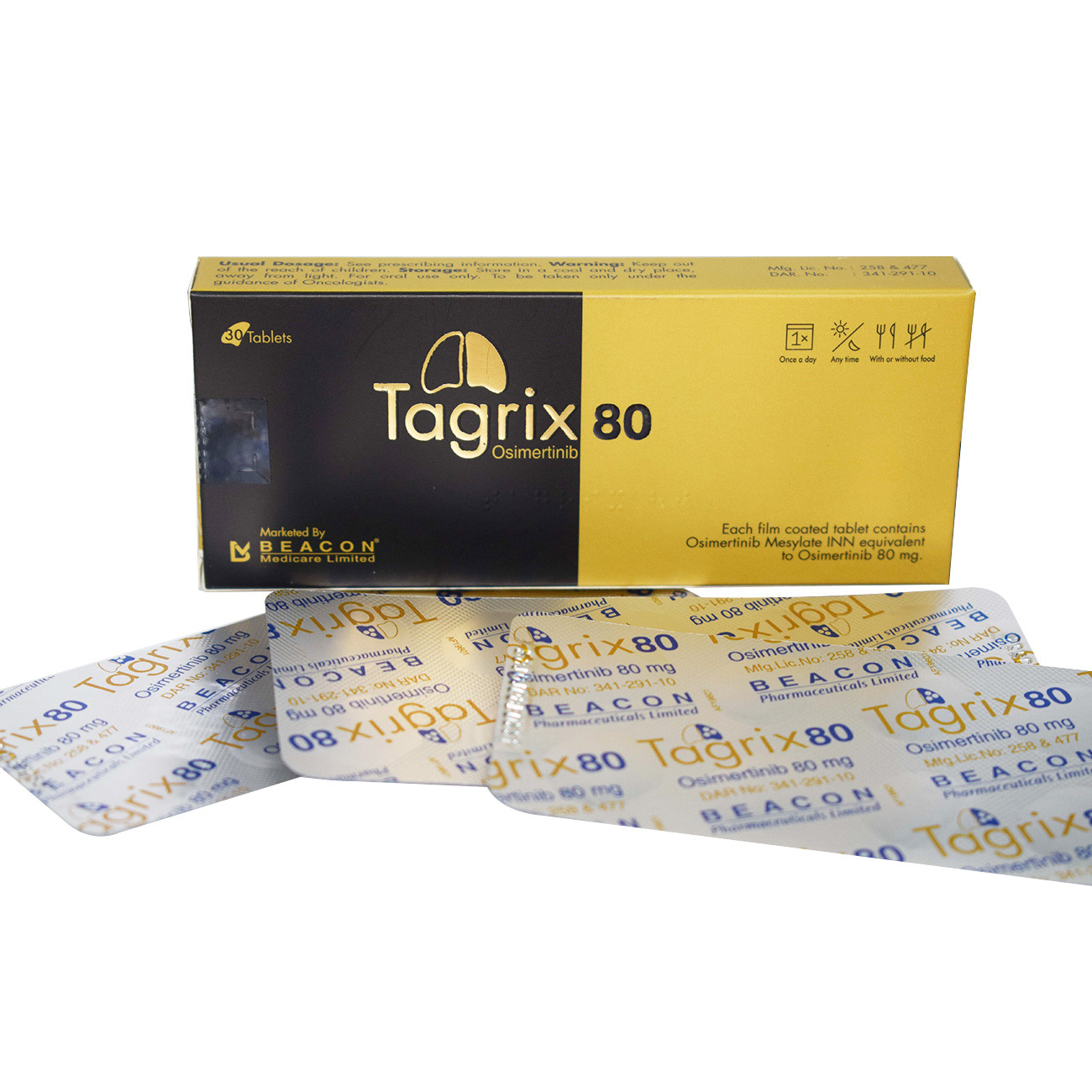 甲磺酸奥希替尼片的价格
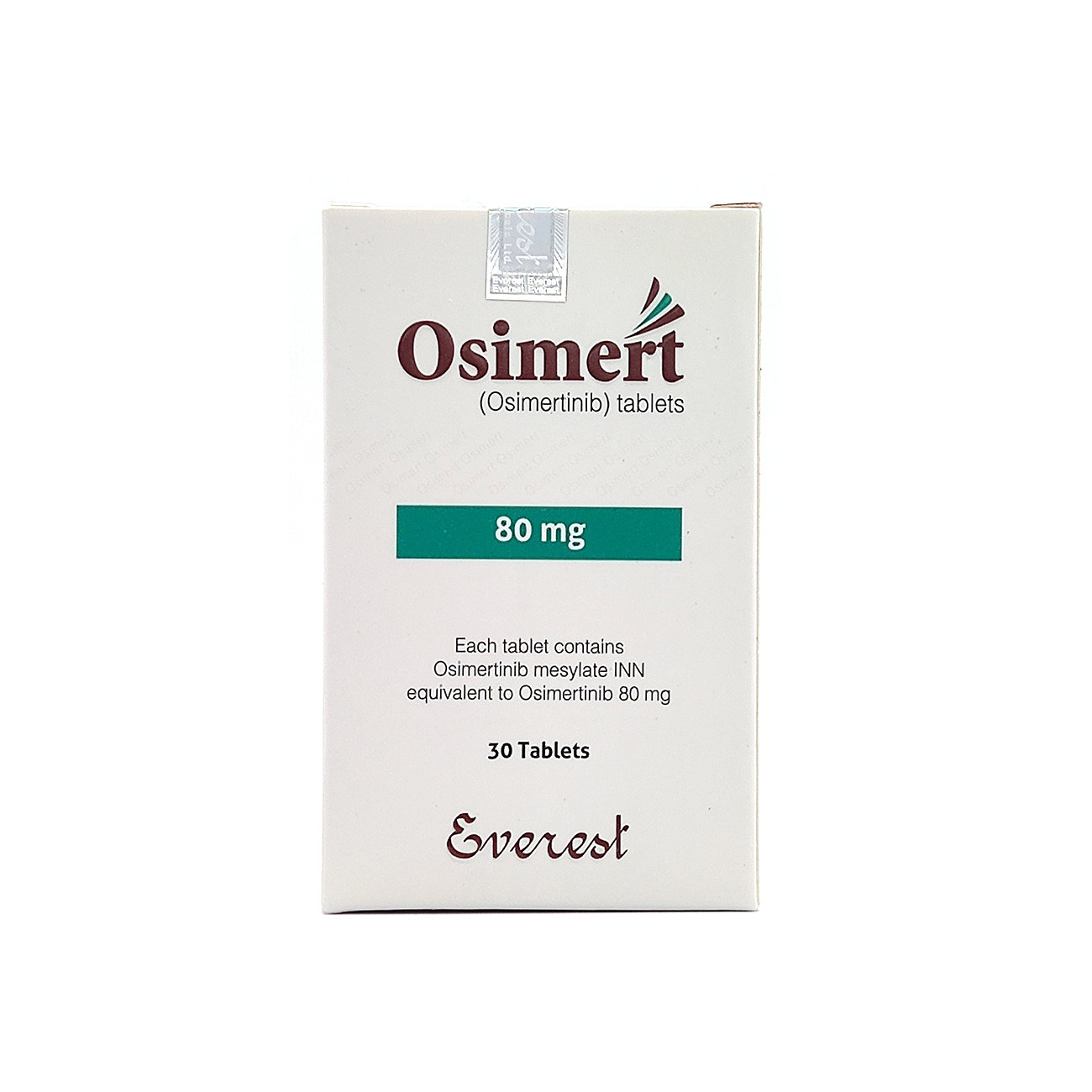
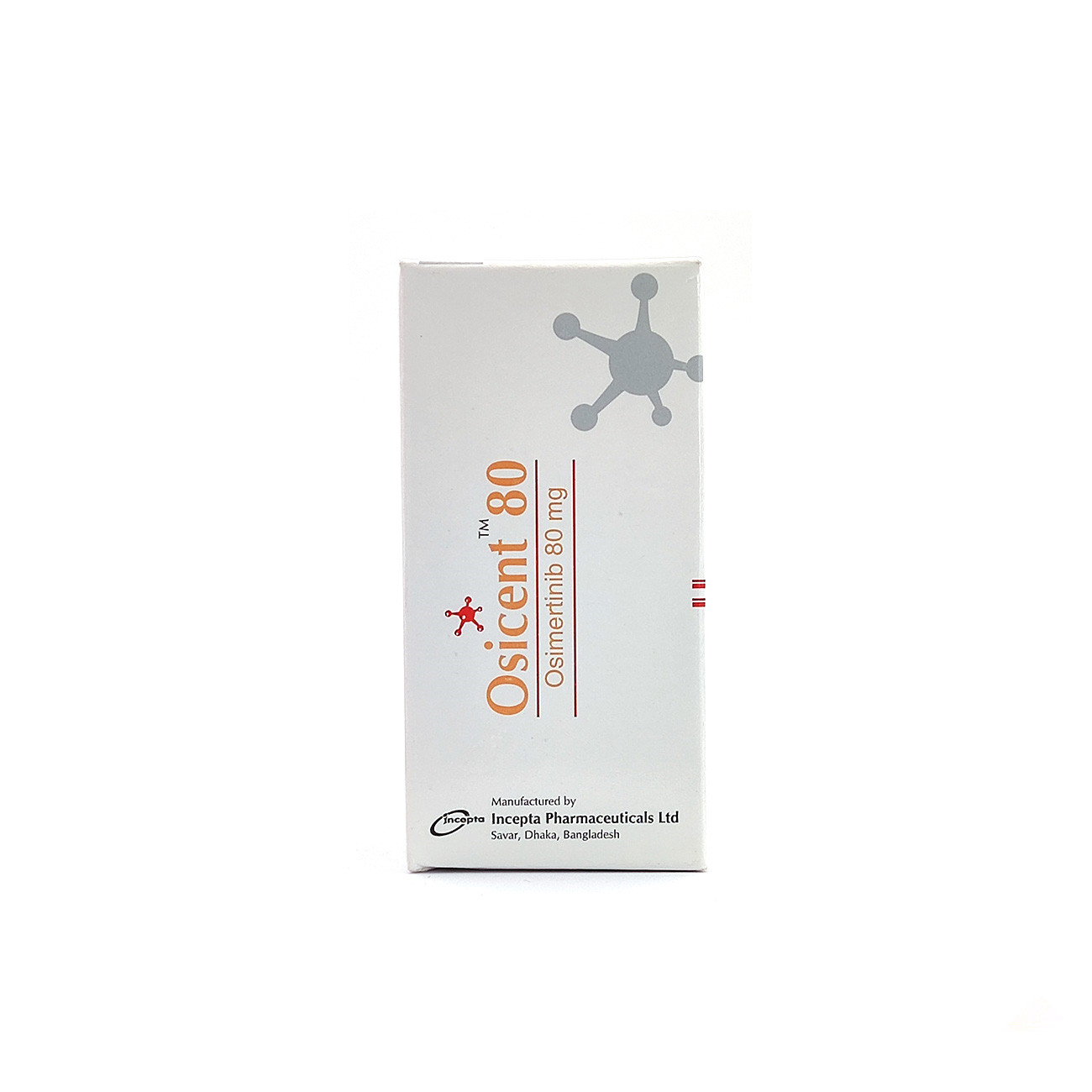
甲磺酸奥希替尼片的价格,奥希替尼(Osimertinib)的版本有:1、老挝大熊制药版本;2、老挝贝泉生物版本;3、英国阿斯利康版本;4、孟加拉耀品国际版本;5、老挝第二制药版本;6、孟加拉碧康制药版本;7、孟加拉珠峰制药版本;8、老挝东盟制药版本。代购价格是1300元-2300元左右,不同版本价格不同,以实际为准。请选择正规海外代购渠道,以保证产品质量。奥希替尼(Osimertinib)作为一种用于治疗肺癌的靶向药物,备受关注。其价格也是患者和医生们关注的焦点之一。下面将对甲磺酸奥希替尼片的价格进行分析。 奥希替尼的价格一直是患者和医生们关注的热点话题。其高昂的价格常常成为患者用药的一大障碍。针对这一问题,我们将从几个方面进行分析。 1. 价格走势分析 奥希替尼的价格一直在不断波动。受到市场供求关系、政策调整等多方面因素的影响,其价格会随时发生变化。近年来,随着医疗技术的进步和市场竞争的加剧,奥希替尼的价格也呈现出一定的波动性。 2. 国内外价格比较 与国外相比,奥希替尼在国内的价格普遍较高。这主要是由于国内医疗体系和药品监管制度的差异所致。在国外,奥希替尼的价格可能会受到政府补贴和医保等因素的影响,从而相对较低。而在国内,患者需要承担更多的自费费用,导致价格较高。 3. 患者负担与医保覆盖 奥希替尼的高价格给患者带来了巨大的经济负担。很多患者难以承担其高昂的治疗费用,导致治疗的不确定性增加。因此,医保覆盖对于患者来说至关重要。一旦奥希替尼被纳入医保目录,将大大减轻患者的经济压力,提高治疗的可及性和可持续性。 4. 价格监管与合理用药 对于奥希替尼这样的高价药物,加强价格监管至关重要。政府部门可以通过制定相应的政策措施,控制其价格的上涨,保障患者的用药权益。同时,医生和患者也应该合理使用药物,避免不必要的浪费,确保药物的有效利用。 总的来说,甲磺酸奥希替尼片的价格是一个复杂而严峻的问题,需要政府、医疗机构、药企以及患者共同努力,才能找到合理的解决方案,让更多的患者受益。
问药网 您身边的用药科普专家
2026-09-25
-
老挝二药奥希替尼
肺癌一直是世界范围内最常见的恶性肿瘤之一,且常常具有高度侵袭性和迅速转移的特点。随着医学科技的不断发展,针对肺癌的治疗手段也在不断更新与完善。其中,奥希替尼(Osimertinib)作为一种靶向治疗药物,在肺癌治疗中展现出了突破性的希望。 1. 靶向治疗的新里程碑 靶向治疗是近年来肺癌治疗领域的重要突破之一。相较于传统的化疗和放疗手段,靶向治疗更加精准地作用于肿瘤细胞,减少了对正常细胞的损伤,同时也提高了治疗的有效性。奥希替尼作为一种第三代表皮生长因子受体(EGFR)酪氨酸激酶抑制剂,具有针对EGFR突变的独特作用机制,被广泛应用于治疗EGFR突变阳性的晚期非小细胞肺癌(NSCLC)。 2. EGFR突变的治疗利器 EGFR突变是NSCLC中最常见的变异之一,约占患者的10%至15%。而奥希替尼恰好能够有效抑制EGFR突变引发的癌细胞增殖和转移,从而显著延长患者的生存期。此外,相比于一、二代EGFR抑制剂,奥希替尼对于EGFR T790M突变亦表现出了更高的选择性和疗效,为治疗难治性NSCLC患者带来了新的曙光。 3. 个体化治疗的前景 随着基因测序技术的不断进步,越来越多的患者能够及早发现其肿瘤的特定基因突变类型。而奥希替尼的出现,则为这些患者提供了一种个体化治疗的可能性。通过根据患者的基因突变类型,精准选择治疗药物,可以最大限度地提高治疗的效果,减少患者的不良反应,为肺癌患者带来更多的生存机会和生活质量。 4. 挑战与展望 尽管奥希替尼在肺癌治疗中展现出了巨大的潜力,但仍然面临着一些挑战。其中,药物耐药性的发展是目前亟待解决的问题之一。因此,未来的研究和临床实践需要不断深入,以寻找更多的治疗方案和手段,为肺癌患者提供更全面、更有效的治疗策略。 在肺癌治疗领域,奥希替尼的出现无疑是一个重大的突破。它不仅为肺癌患者带来了新的治疗选择,也为个体化治疗提供了更为广阔的前景。随着科学技术的不断进步和医学研究的不断深入,相信在不久的将来,肺癌将不再是不可逾越的障碍,而成为可以有效控制和治愈的疾病。
问药网 您身边的用药科普专家
2026-09-23
-
靶向治疗奥希替尼活多久
靶向治疗奥希替尼活多久,奥希替尼(Osimertinib)适用于既往经表皮生长因子受体(EGFR)酪氨酸激酶抑制剂(TKI)治疗时或治疗后出现疾病进展,并且经检测确认存在EGFRT790M突变阳性的局部晚期或转移性非小细胞性肺癌(NSCLC)成人患者的治疗。肺癌是一种致命的疾病,而奥希替尼(Osimertinib)作为一种靶向治疗药物,被广泛应用于肺癌患者。那么,接受奥希替尼治疗的患者能够维持多久呢? 1. 奥希替尼的治疗效果 奥希替尼是一种针对表皮生长因子受体(EGFR)突变的靶向治疗药物。它通过抑制肿瘤细胞中EGFR突变的活性,从而抑制肿瘤生长和扩散。临床研究表明,奥希替尼对EGFR T790M突变阳性的非小细胞肺癌患者具有显著的疗效。 2. 治疗持续时间的因素 奥希替尼的治疗持续时间受多种因素影响,包括肿瘤的分期、患者的身体状况、耐药性的发展等。一般来说,一些临床试验显示,奥希替尼的治疗效果可持续数月甚至数年。 3. 耐药性的挑战 随着治疗时间的延长,一些患者可能会出现耐药性的问题,导致奥希替尼治疗失效。这可能是因为肿瘤发展出了新的突变,使得奥希替尼对肿瘤细胞的抑制作用减弱。 4. 个体差异和后续治疗 值得注意的是,每个患者的情况都是独特的,因此奥希替尼的治疗持续时间会有所不同。一些患者可能会在接受奥希替尼治疗后长期受益,而另一些患者则可能在几个月内出现耐药性。对于那些出现耐药性的患者,医生可能会考虑调整治疗方案,包括使用其他靶向药物或化疗药物。 奥希替尼作为一种靶向治疗药物,在治疗EGFR突变阳性的非小细胞肺癌患者方面表现出良好的疗效。患者的治疗持续时间会因个体差异、耐药性的发展等因素而有所不同。因此,患者及其医生应该密切关注治疗效果,并根据具体情况制定个性化的治疗方案。
问药网 您身边的用药科普专家
2026-09-14