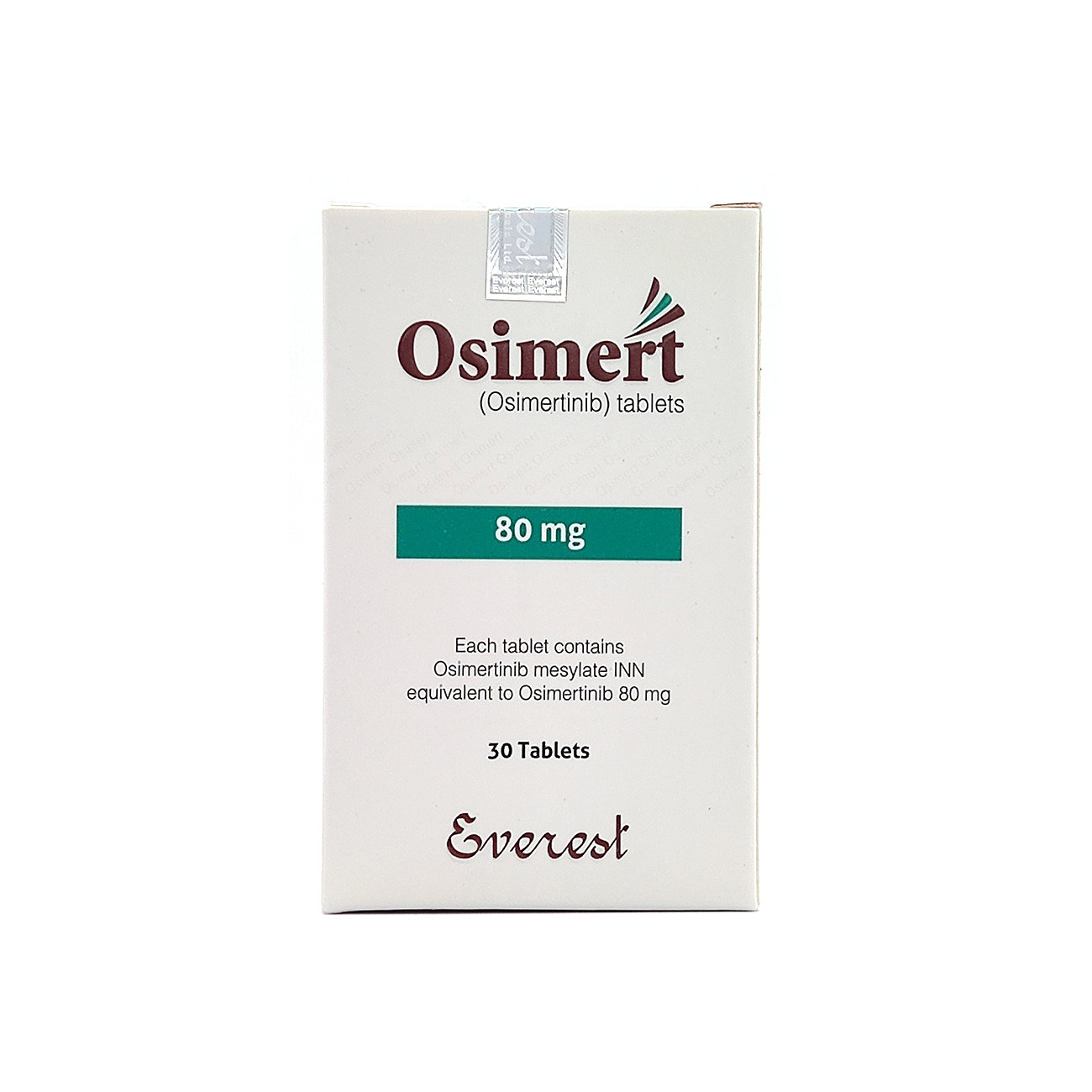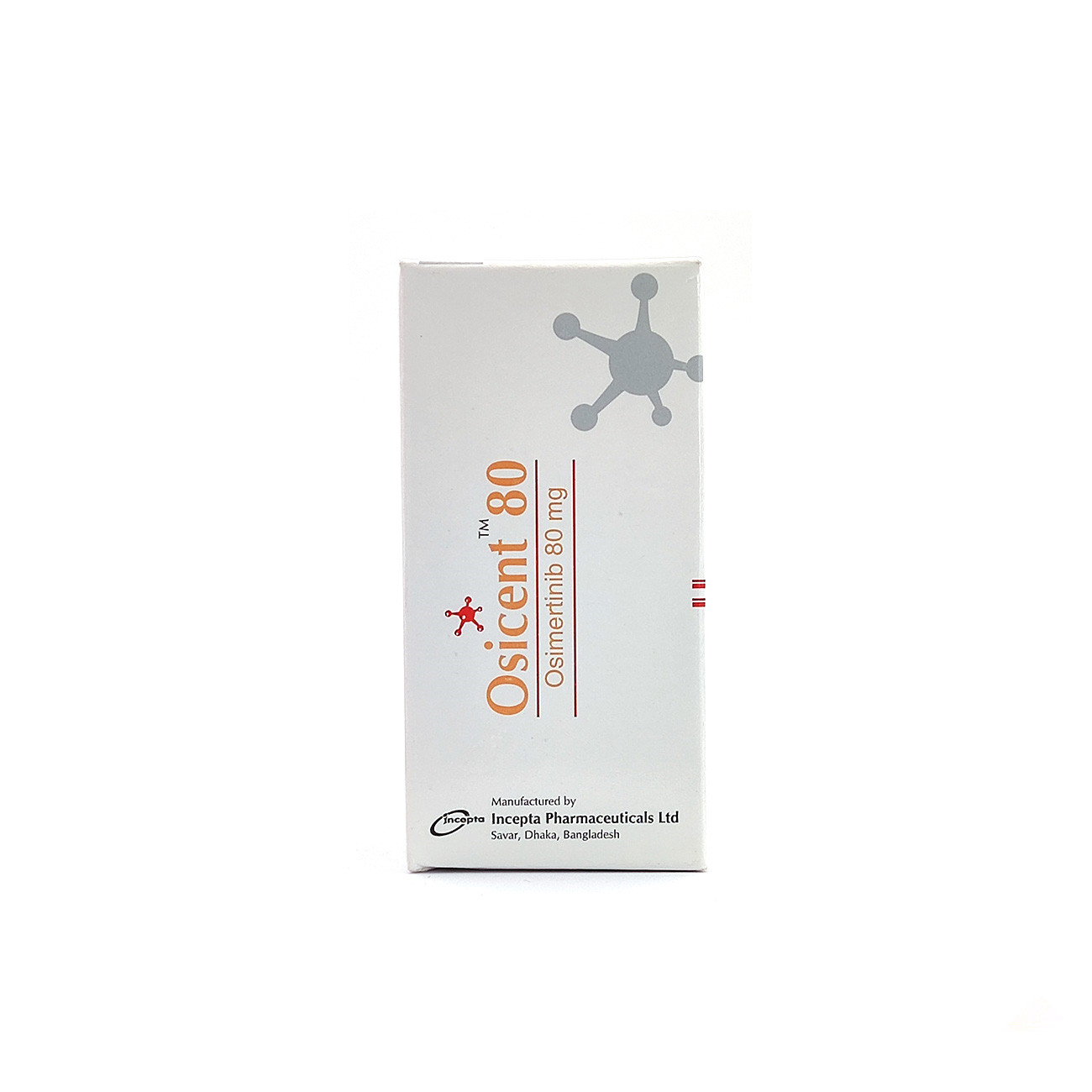

Osimertinib多久耐药,Osimertinib(Osimertinib)的耐药性,以下是一些相关信息:1.原发性耐药性:在某些情况下,患者初始接受奥希替尼治疗时可能就具有耐药性。这种情况下,患者最初的肿瘤细胞可能已经具有EGFR突变的其他变异,导致奥希替尼对其失效。2.后期耐药性:尽管奥希替尼在治疗初期可能非常有效,但在一些患者中,后期耐药性仍然可能发展。最常见的耐药机制是EGFRT790M突变,该突变使得肿瘤细胞对奥希替尼的抑制作用降低。
Osimertinib, also known by its trade name Tagrisso, is a targeted therapy approved for the treatment of non-small cell lung cancer (NSCLC) with specific mutations in the epidermal growth factor receptor (EGFR) gene. This medication has shown significant efficacy in controlling cancer growth and improving overall survival in patients. However, like many other cancer treatments, the development of resistance to Osimertinib remains a significant challenge in the long-term management of NSCLC. In this article, we will explore the duration of Osimertinib effectiveness and the mechanisms behind its eventual resistance.
1. Introduction: Osimertinib's Role in Lung Cancer Treatment
Osimertinib is a third-generation EGFR tyrosine kinase inhibitor (TKI) that was specifically designed to target both common EGFR-activating mutations (like Exon 19 deletion and L858R) as well as the EGFR T790M resistance mutation. It has demonstrated superior efficacy compared to earlier-generation EGFR TKIs in clinical trials and has become the standard of care for EGFR-mutated advanced NSCLC. However, despite its initial effectiveness, the emergence of resistance remains a concern.
2. Acquired Resistance to Osimertinib
With prolonged use, some patients develop acquired resistance to Osimertinib. Acquired resistance refers to the tumor's ability to grow and progress despite ongoing treatment, indicating that the cancer cells have developed mechanisms to bypass the drug's inhibitory effects. Various mechanisms have been proposed to explain acquired resistance to Osimertinib, some of which include the emergence of new EGFR mutations, activation of alternative signaling pathways, and histological transformation of the tumor.
3. Mechanisms of Resistance
a. Emergence of secondary EGFR mutations: In some cases, tumors develop additional EGFR mutations (besides the primary activating mutation) that render them insensitive to Osimertinib. EGFR C797S, L792H, and L718Q mutations have been identified as potential causes of resistance to Osimertinib.
b. Activation of bypass signaling pathways: Cancer cells can switch to alternative signaling pathways that circumvent EGFR signaling and promote tumor growth. Activation of signaling pathways such as MET amplification, HER2 amplification, and downstream activation of the MAPK or PI3K/AKT/mTOR pathways can confer resistance to Osimertinib.
c. Histological transformation: In some instances, the tumor undergoes histological transformation, changing from NSCLC to small cell lung cancer (SCLC) or other histologic subtypes. These transformed cancer cells are inherently resistant to EGFR TKIs, including Osimertinib.
4. Duration of Osimertinib Effectiveness
The duration of Osimertinib effectiveness varies among patients. Some individuals may experience a longer response to therapy, while others may develop resistance within a relatively short period. On average, the median time to disease progression with Osimertinib treatment is approximately 19-21 months. However, it is essential to note that individual responses can be influenced by various factors, such as the specific EGFR mutation, tumor burden, and patient characteristics.
In conclusion, Osimertinib has revolutionized the treatment of EGFR-mutated NSCLC, offering improved efficacy and tolerability compared to previous therapies. However, acquired resistance remains a significant challenge in the long-term management of this disease. Understanding the mechanisms of resistance and developing novel strategies to overcome it is vital for improving patient outcomes and extending the duration of Osimertinib's effectiveness.