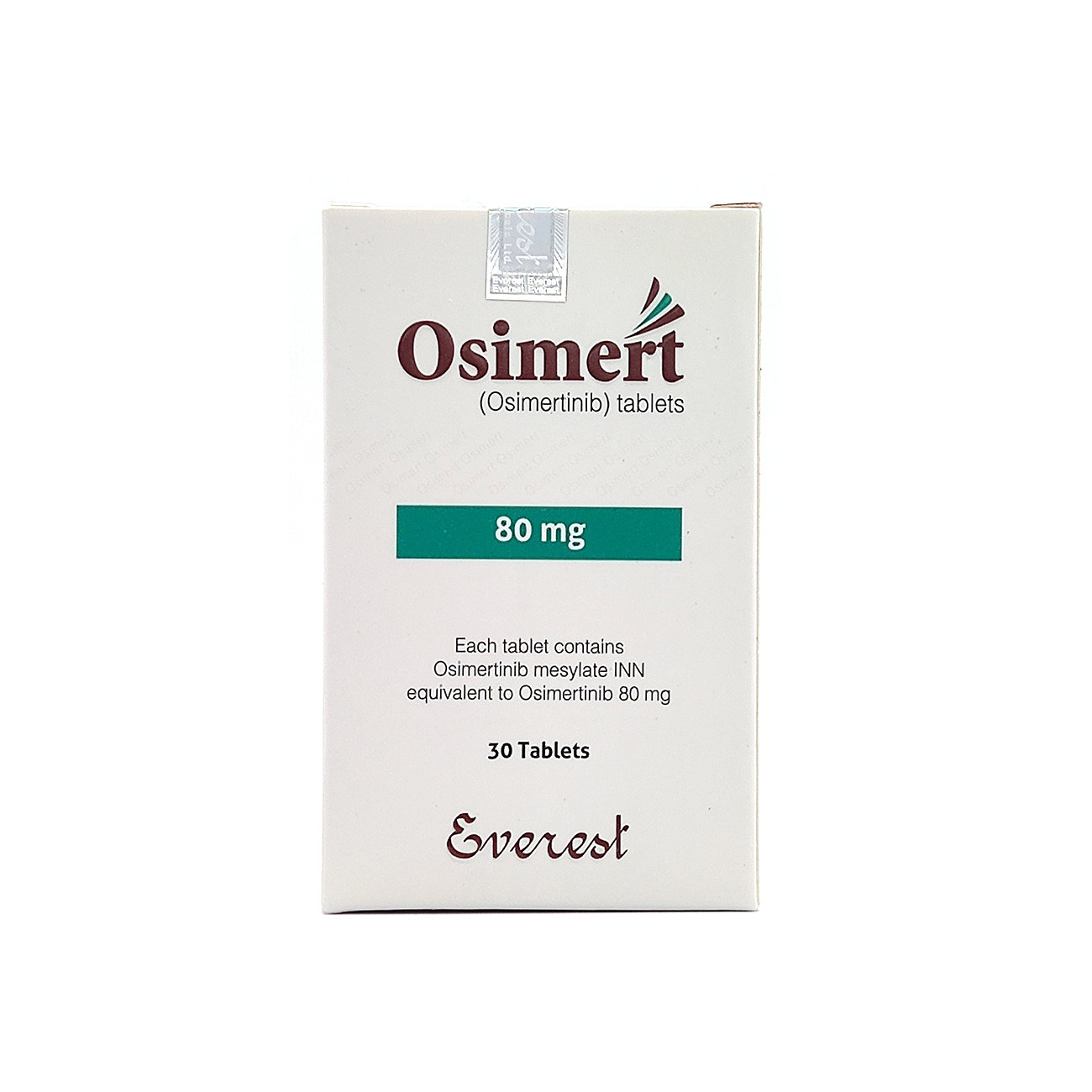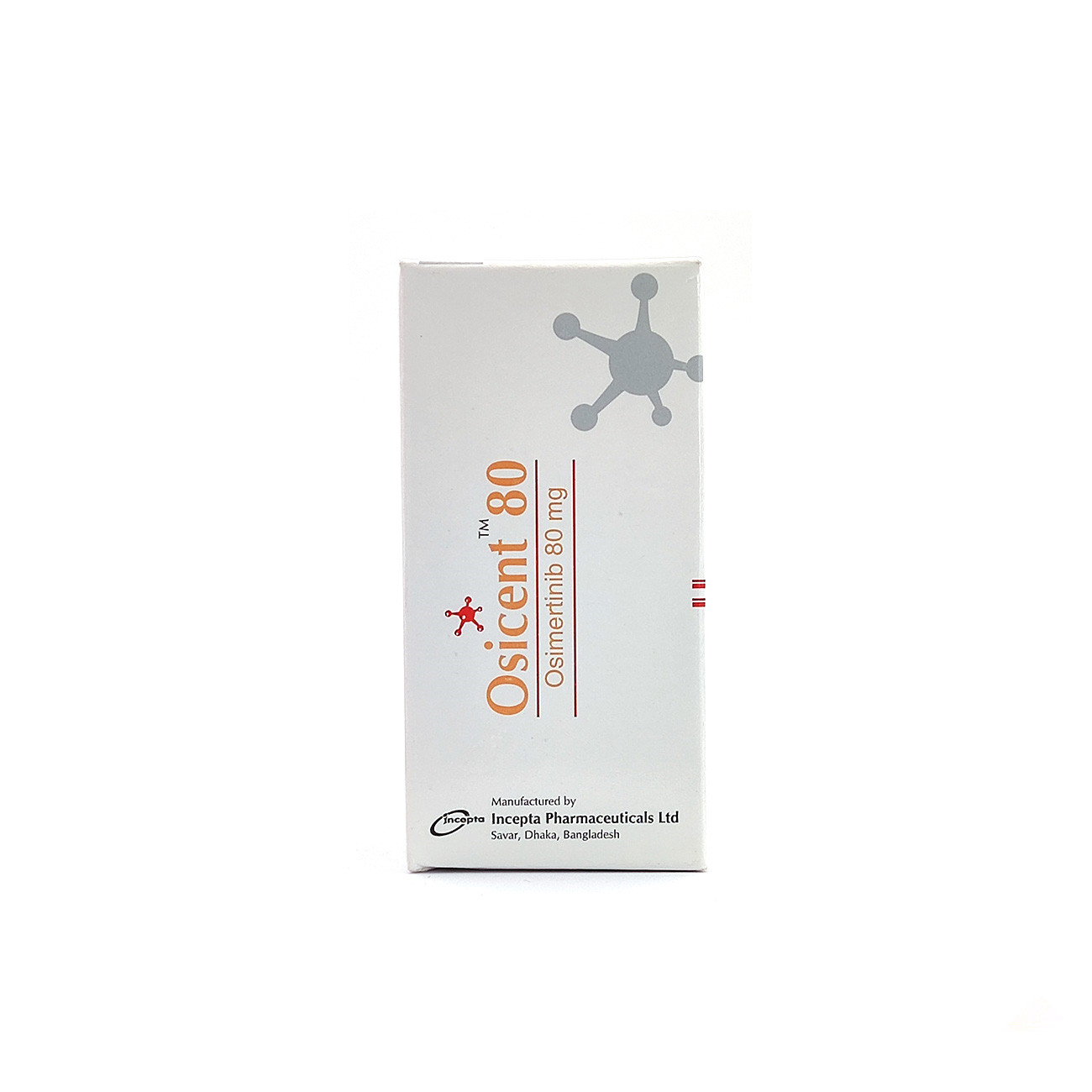

Osimertinib(泰瑞沙)奥希替尼的用法用量是多少,奥希替尼(Osimertinib)推荐剂量为每日80mg,直至疾病进展或出现无法耐受的毒性。
Osimertinib, also known by its brand name Tagrisso, is a medication commonly used in the treatment of non-small cell lung cancer (NSCLC). It is specifically prescribed for patients with metastatic NSCLC who have mutations in the epidermal growth factor receptor (EGFR) gene. Osimertinib has proven to be an effective targeted therapy that can help improve outcomes for these patients.
1. Introduction:
Osimertinib (Tagrisso) is a medication used in the treatment of non-small cell lung cancer (NSCLC) with EGFR mutations. This article aims to provide accurate information about the dosage and usage of Osimertinib.
2. Recommended Dosage:
The recommended dosage of Osimertinib is 80 mg once daily, taken orally with or without food. It is usually available in tablet form. The medication should be swallowed whole, and it is not advised to crush or split the tablets. The prescribed dose may vary depending on the individual patient's condition and their response to treatment, so it is essential to follow the doctor's instructions carefully.
3. Treatment Duration:
The duration of Osimertinib treatment depends on various factors, including the stage of cancer, overall health, and individual response. In most cases, Osimertinib may be prescribed until disease progression or the occurrence of intolerable side effects. Regular follow-ups with the healthcare provider are crucial to monitor the effectiveness of the treatment and make any necessary adjustments.
4. Important Considerations:
Before starting Osimertinib, it is essential to inform your healthcare provider about any other medications you are taking, including over-the-counter drugs, vitamins, or supplements. This is to ensure there are no potential drug interactions that could affect the efficacy or safety of Osimertinib.
It is essential to follow the prescribed dosage and maintain regular communication with the healthcare provider throughout the treatment process. Missing doses or stopping the medication without medical advice may impact its effectiveness.
Furthermore, Osimertinib may cause various side effects, such as diarrhea, rash, nausea, and fatigue. It is crucial to promptly report any new or worsening symptoms to the healthcare provider to manage them effectively.
In conclusion, Osimertinib (Tagrisso) is a targeted therapy used in the treatment of non-small cell lung cancer with EGFR mutations. The recommended dosage is 80 mg taken once daily. It is important to follow the prescribed dosage and communicate regularly with the healthcare provider throughout the treatment process. Understanding and adhering to the usage and dosage guidelines will help ensure the best possible outcomes for patients using Osimertinib.