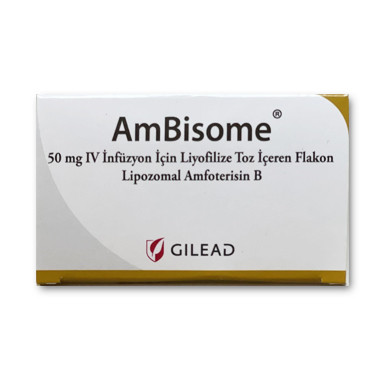
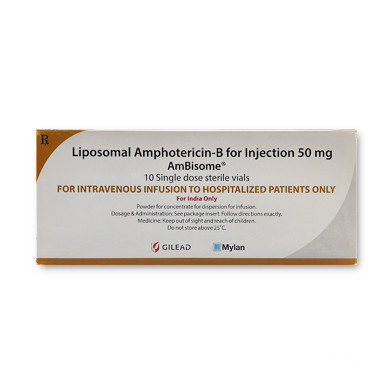
Ambisome(安必松)安必素的作用与功效及副作用
Ambisome(安必松)安必素的作用与功效及副作用,安必松(Amphotericin)常见副作用包括发热、寒战、呼吸困难、恶心、呕吐、肾功能损害、低钾血症、头痛和胃肠不适。在治疗期间需要监测肾功能和电解质。安必松(Amphotericin)是一种抗真菌药物,其主要成分是阿莫夫洛星(AmphotericinB)。它主要用于治疗严重的真菌感染,具有以下疗效:1.抗真菌活性,抑制多种真菌的生长和繁殖。2.治疗各种念珠菌感染。3.治疗血液系统真菌感染。该药品在治疗相关疾病方面表现出色,疗效显著、安全性高。Ambisome (安必松) is a medication used to treat fungal infections. It belongs to the class of drugs called liposomal amphotericin B, which is effective against a variety of fungal organisms. Ambisome is administered through intravenous infusion and is widely regarded as a potent antifungal agent. While clearly beneficial in treating fungal infections, it is essential to be aware of its effects, benefits, and possible side effects.
1. The Role and Benefits of Ambisome:
Ambisome is primarily used to treat serious fungal infections, including life-threatening conditions such as invasive aspergillosis and cryptococcal meningitis. It is effective against a range of fungal species, including yeasts and molds. The medication works by targeting and disrupting the integrity of the fungal cell membrane, ultimately leading to cell death. Ambisome is particularly advantageous due to its improved safety profile compared to conventional amphotericin B, which had significant toxicity concerns.
2. Effectiveness Against Invasive Aspergillosis:
Invasive aspergillosis is a severe fungal infection that often affects individuals with impaired immune systems, such as those undergoing chemotherapy or organ transplantation. Ambisome has demonstrated excellent efficacy in treating invasive aspergillosis, even in patients who have not responded to other antifungal therapies. It is considered a first-line treatment option for this life-threatening condition.
3. Treatment of Cryptococcal Meningitis:
Cryptococcal meningitis is a fungal infection that affects the membranes surrounding the brain and spinal cord. It is commonly seen in individuals with advanced HIV/AIDS. Ambisome has proven to be highly effective in reducing the fungal burden, resolving symptoms, and improving survival rates in patients with cryptococcal meningitis. It is considered a crucial component of the treatment regimen for this condition.
4. Safety and Possible Side Effects of Ambisome:
Although Ambisome is generally well-tolerated, like any medication, it can produce side effects. Common side effects may include fever, chills, headache, nausea, vomiting, and mild to moderate reactions at the infusion site. These reactions are usually manageable and resolve with symptomatic treatment. However, more severe side effects, such as kidney toxicity or liver dysfunction, are possible but relatively rare.
It is important to note that Ambisome should be used under the guidance and supervision of a healthcare professional. The dosage and duration of treatment will vary depending on the specific fungal infection being treated and the patient's individual characteristics. Regular monitoring of kidney and liver function is typically conducted during Ambisome treatment to ensure the medication's safe use and prevent any potential complications.
In conclusion, Ambisome (安必松) is a powerful antifungal medication that has revolutionized the treatment of serious fungal infections. Its effectiveness against invasive aspergillosis and cryptococcal meningitis, along with its improved safety profile compared to older antifungal agents, make it an important therapeutic option for patients in need. While potential side effects exist, they are generally manageable, and the benefits of Ambisome outweigh the risks in most cases. Proper medical supervision and monitoring are crucial during treatment to ensure the best possible outcomes for patients.