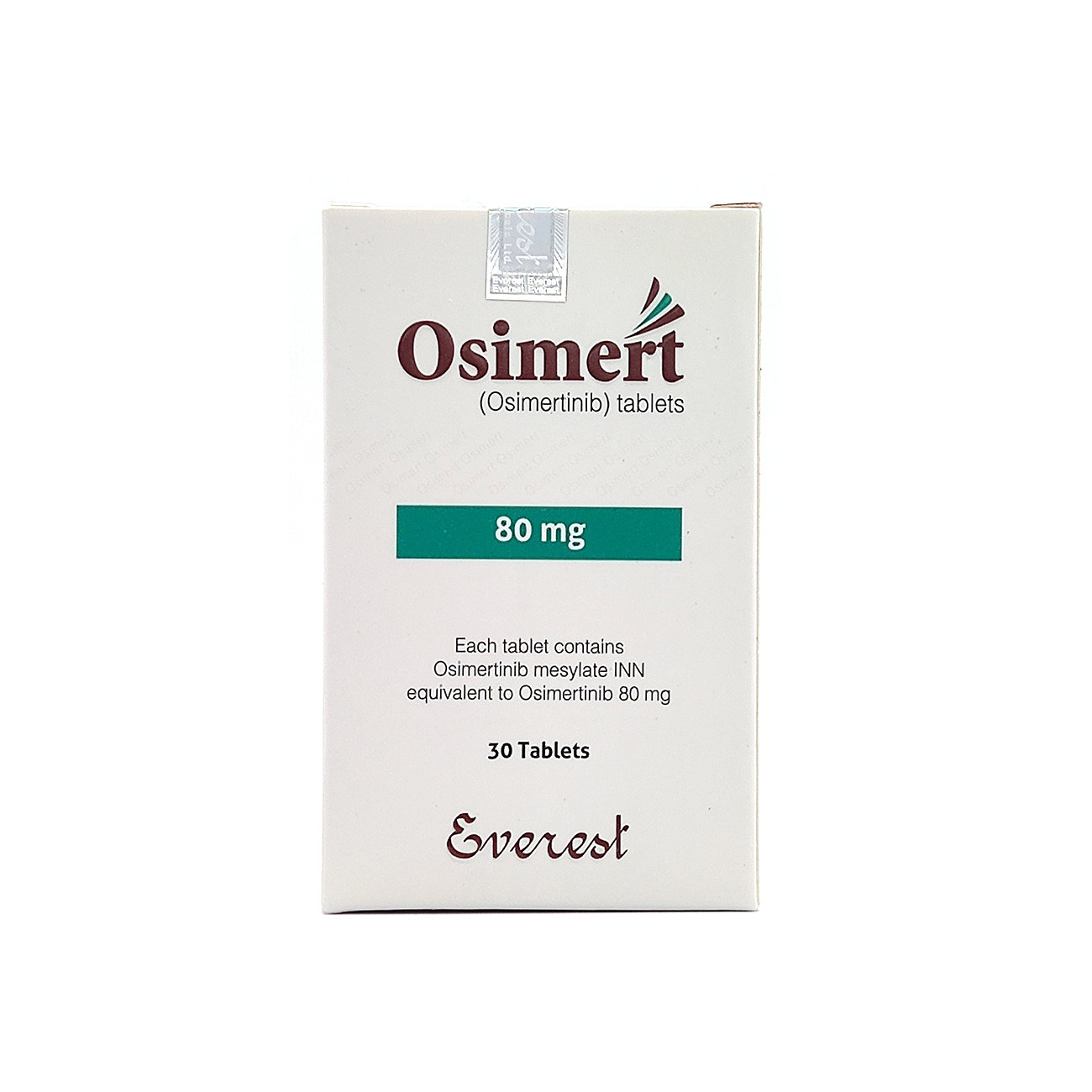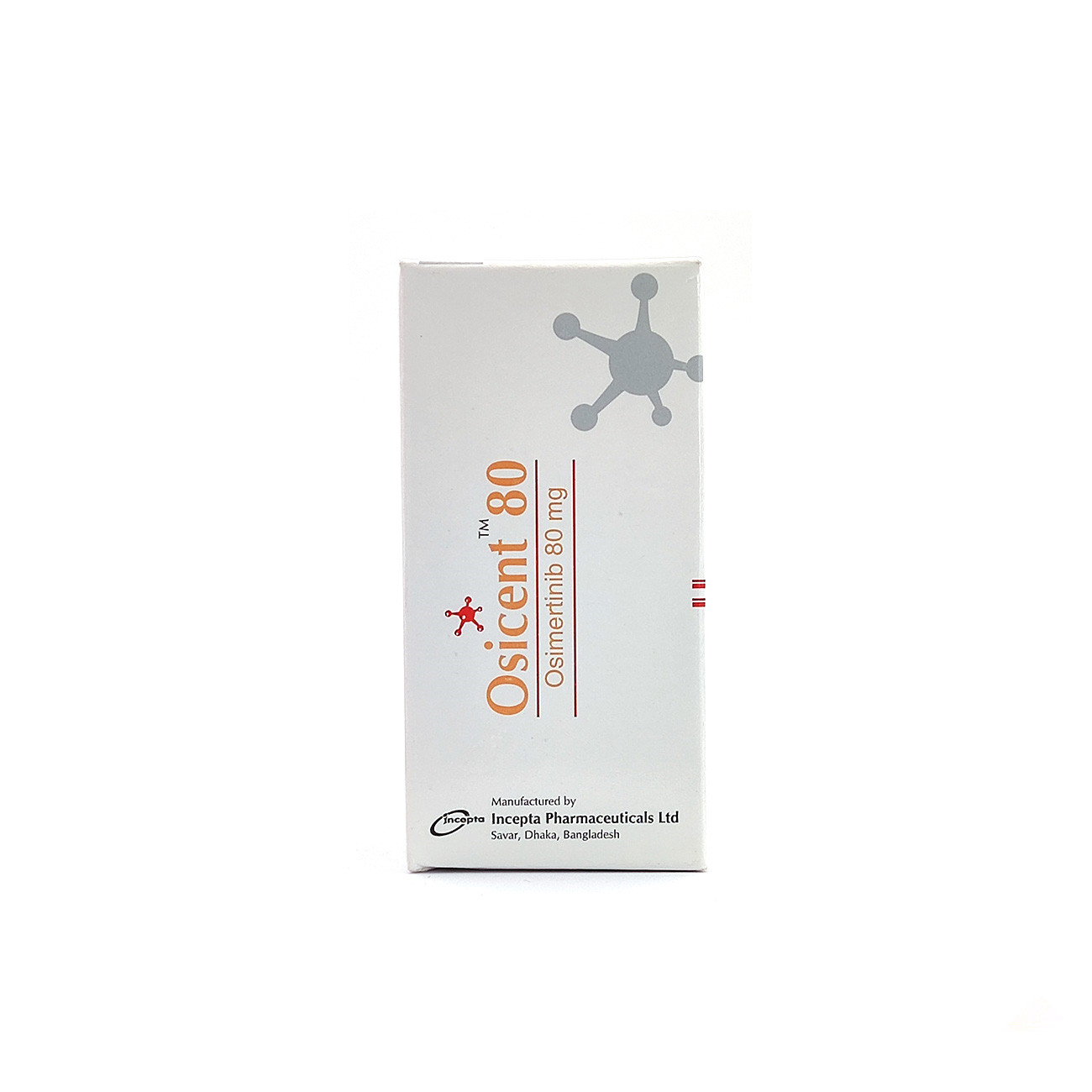

Osimertinib效果好吗,Osimertinib(Osimertinib)是一种用于治疗特定类型的非小细胞肺癌(NSCLC)的药物。它的主要疗效包括:1、治疗EGFR突变阳性的非小细胞肺癌;2、治疗EGFRT790M突变阳性的非小细胞肺癌。该药品在治疗相关疾病方面表现出色,疗效显著、安全性高,极大地提高了患者的生活质量。
Osimertinib: Is it Effective for Lung Cancer?
Introduction:
Osimertinib, also known by its trade name Tagrisso, is a targeted therapy medication used in the treatment of certain types of non-small cell lung cancer (NSCLC). This article aims to evaluate the effectiveness of Osimertinib in treating lung cancer and provide an accurate answer to the question at hand.
1. Understanding Osimertinib:
Osimertinib is an oral medication belonging to a class of drugs called tyrosine kinase inhibitors (TKIs). It specifically targets a mutated protein called epidermal growth factor receptor (EGFR), which is responsible for driving the growth and spread of cancer cells in some types of NSCLC. By inhibiting EGFR, Osimertinib helps to block the signals that promote cancer cell growth, thereby slowing down tumor progression.
2. Clinical Trials and Efficacy:
Numerous clinical trials have evaluated the efficacy of Osimertinib in lung cancer patients with EGFR mutations. One such trial called FLAURA demonstrated that Osimertinib significantly improved progression-free survival (PFS) compared to standard chemotherapy and other EGFR inhibitors in advanced NSCLC patients. This study led to the approval of Osimertinib as a first-line treatment for EGFR-mutated NSCLC by various regulatory authorities worldwide.
3. Targeted Therapy and Side Effects:
One advantage of targeted therapy medications like Osimertinib is their ability to specifically attack cancer cells while minimizing damage to healthy cells. However, Osimertinib can still cause side effects, although they are generally manageable. Common side effects include diarrhea, skin rash, nausea, and fatigue. It is essential for patients to discuss potential side effects with their healthcare providers and seek appropriate management strategies.
4. Resistance and Future Perspectives:
Despite its initial effectiveness, some patients may develop resistance to Osimertinib over time. Advances in research are currently underway to understand the mechanisms of resistance and develop strategies to overcome it. Combination therapies, such as combining Osimertinib with other targeted agents or immunotherapies, are being explored to improve treatment outcomes and prolong overall survival for lung cancer patients.
In conclusion, Osimertinib has proven to be highly effective in the treatment of EGFR-mutated non-small cell lung cancer. Its targeted approach to inhibit cancer cell growth has shown promising results in clinical trials. However, like any medication, it is essential to consider potential side effects and individualize treatment based on specific patient characteristics. Osimertinib represents a significant advancement in lung cancer treatment and offers hope for patients diagnosed with this devastating disease.