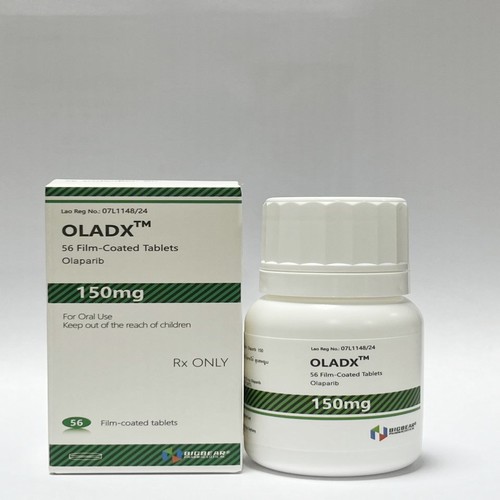

奥拉帕利(Olaparib)奥拉帕尼的适应症,功效与作用,用法用量,副作用,注意事项,Olaparib(Olaparib)常见副作用包括恶心、呕吐、疲劳、贫血、咳嗽、腹泻、头痛、食欲减少、关节痛、味觉改变和皮疹。患者在使用过程中应接受适当的监测。Olaparib(Olaparib)是一种用于治疗特定类型的癌症的药物,属于一类被称为PARP(聚合酶-腺苷酸二磷酸核糖酶)抑制剂的药物。它的主要疗效包括:1、治疗卵巢癌;2、治疗乳腺癌;3、治疗其他癌症如胰腺癌、前列腺癌和肺癌等。目前还处于临床试验阶段。该药品在治疗相关疾病方面表现出色,疗效显著、安全性高,极大地提高了患者的生活质量。
Title: Olaparib (Olaparib): Indications, Efficacy, Dosage, Side Effects, and Precautions
Introduction:
This article provides an overview of Olaparib, also known as Olaparib. Olaparib is a medication used in the treatment of various types of cancer, including ovarian, breast, pancreatic, and prostate cancer, as well as primary peritoneal cancer. The article will delve into its indications, efficacy, dosage, side effects, and precautions.
1. Indications:
Olaparib is indicated for the treatment of:
Ovarian cancer: Olaparib is approved for the maintenance treatment of advanced ovarian cancer in patients who have responded to platinum-based chemotherapy.
Breast cancer: Olaparib is prescribed for the treatment of metastatic breast cancer with BRCA-mutations.
Pancreatic cancer: Olaparib is used as a maintenance treatment in patients with advanced pancreatic cancer who have responded to first-line platinum-based chemotherapy.
Prostate cancer: Olaparib is employed for the treatment of prostate cancer with certain gene mutations and after disease progression on hormonal therapy.
Primary peritoneal cancer: Olaparib is indicated for the maintenance treatment of advanced primary peritoneal cancer in patients who have responded to platinum-based chemotherapy.
2. Efficacy and Mechanism of Action:
Olaparib belongs to a class of medications known as poly (ADP-ribose) polymerase (PARP) inhibitors. PARP inhibitors work by inhibiting an enzyme called PARP, which plays a role in repairing damaged DNA. Inhibition of PARP leads to the accumulation of DNA damage in cancer cells, particularly those with BRCA mutations, resulting in cell death. Olaparib has demonstrated efficacy in clinical trials by delaying disease progression and improving overall survival in patients with specific genetic mutations.
3. Dosage:
The dosage of Olaparib varies depending on the type and stage of cancer being treated. It is typically administered orally as capsules or tablets. The exact dosage and treatment duration should be determined by a healthcare professional, as they will consider individual patient factors and the specific cancer being treated.
4. Side Effects:
Common side effects of Olaparib may include nausea, fatigue, vomiting, diarrhea, loss of appetite, headache, and anemia. Additionally, Olaparib has been associated with more serious side effects such as myelodysplastic syndrome (MDS) and acute myeloid leukemia (AML), although these are rare. Patients should be closely monitored for any signs of these adverse effects during treatment.
Precautions:
Pregnancy and breastfeeding: Olaparib may cause harm to unborn babies, and its use during pregnancy is generally not recommended. Breastfeeding should also be avoided. Patients should discuss the risks and benefits with their healthcare provider.
Blood disorders: Olaparib can lead to myelodysplastic syndrome (MDS) and acute myeloid leukemia (AML). Regular blood tests should be conducted to monitor blood cell counts.
Drug interactions: Olaparib may interact with other medications, including strong CYP3A inhibitors and inducers. It is essential to inform the prescribing healthcare professional about all medications, supplements, and herbal products being taken.
Conclusion:
Olaparib (Olaparib) is a valuable treatment option for several types of cancer, including ovarian, breast, pancreatic, and prostate cancer, as well as primary peritoneal cancer. As a PARP inhibitor, it works by inhibiting DNA repair in cancer cells, leading to their destruction. While Olaparib can offer significant benefits, it is crucial for patients to be aware of potential side effects and follow the prescribed dosage under the guidance of a healthcare professional.