
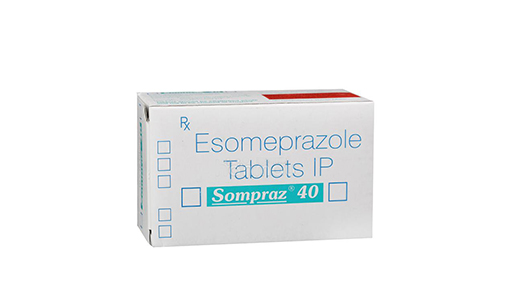
埃索美拉唑(耐信)Esomeprazole的药物相互作用是什么,埃索美拉唑(Esomeprazole)其主要疗效和用途包括:1、治疗胃酸反流病(GERD):能够减少胃酸分泌,从而缓解GERD的症状;2、治疗胃溃疡和十二指肠溃疡:有助于降低胃酸水平,促进溃疡的愈合,并减少溃疡的复发风险;3、可用于预防非甾体抗炎药(NSAIDs)引起的上消化道损伤;4、治疗异位胃酸反流:这是一种罕见的情况,其中胃酸进入食道以外的区域,可能引起其他器官的损伤。该药品在治疗相关疾病方面表现出色,疗效显著、安全性高。
Title: Understanding Drug Interactions of Esomeprazole (Nexium) in the Treatment of Duodenal and Gastric Ulcers
Esomeprazole (sold under the brand name Nexium) is a proton pump inhibitor (PPI) used in the treatment of conditions such as duodenal and gastric ulcers. Its mechanism of action involves reducing the production of stomach acid, thereby aiding in the healing of these ulcers. However, like all medications, esomeprazole can interact with other drugs, potentially affecting its efficacy or causing adverse effects. Understanding these drug interactions is crucial for patients and healthcare professionals to ensure the safe and effective use of esomeprazole in clinical practice.
1. Overview of Esomeprazole (Nexium)
Esomeprazole is a proton pump inhibitor (PPI) that works by irreversibly blocking the proton pump in the gastric parietal cells, ultimately reducing acid secretion. This reduction in acidity helps to alleviate and heal duodenal and gastric ulcers. Additionally, esomeprazole is prescribed to manage gastroesophageal reflux disease (GERD), Zollinger-Ellison syndrome, and other conditions associated with excessive stomach acid production.
2. Drug Interactions of Esomeprazole
Esomeprazole's interactions with other medications can have significant clinical implications. One crucial interaction involves drugs that require an acidic environment for absorption, such as antifungal agents like ketoconazole and itraconazole. Since esomeprazole reduces stomach acidity, it can potentially decrease the absorption and effectiveness of these medications, thereby reducing their therapeutic benefits.
3. Influence on Clopidogrel
A well-documented interaction exists between esomeprazole and clopidogrel, a medication used to prevent blood clots in individuals with cardiovascular conditions. When combined with esomeprazole, the antiplatelet effect of clopidogrel may be diminished, increasing the risk of cardiovascular events in some patients. This interaction has led to cautionary recommendations by regulatory agencies and medical societies, urging healthcare providers to carefully consider the risks and benefits of co-administering these two medications.
4. Considerations for Healthcare Providers and Patients
Healthcare providers should be mindful of potential drug interactions when prescribing esomeprazole, especially for patients with complex medication regimens. They must evaluate the patient's complete medication list, including over-the-counter drugs and herbal supplements, to identify possible interactions that could impact treatment outcomes. Patients using esomeprazole should inform their healthcare providers about all medications they are taking to ensure safe and effective use of this medication.
In conclusion, while esomeprazole is a valuable medication for treating duodenal and gastric ulcers, as well as other acid-related conditions, it is essential to be aware of its potential drug interactions. Understanding these interactions is imperative for healthcare providers to make informed decisions and for patients to use the medication safely. By recognizing and addressing potential interactions, healthcare professionals can optimize treatment outcomes and minimize the risk of adverse effects when using esomeprazole in clinical practice.