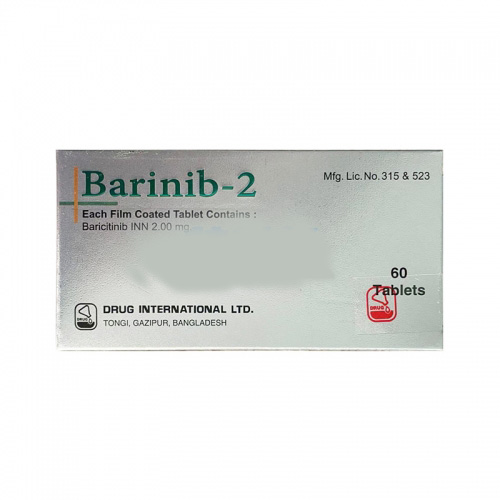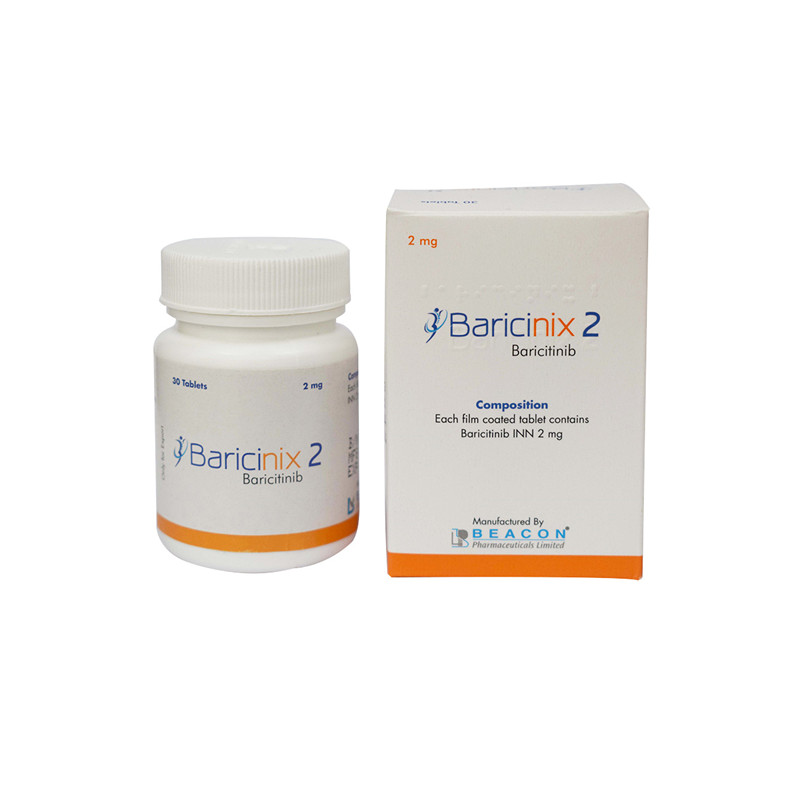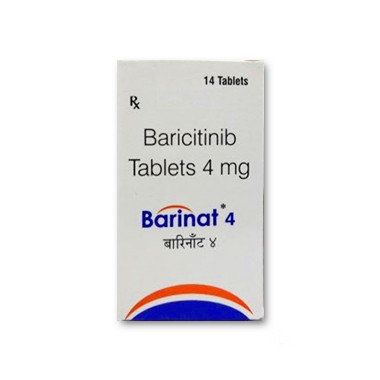
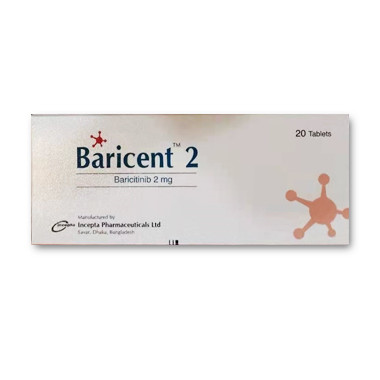
Baricitinib(艾乐明)巴瑞替尼的作用功效与副作用,艾乐明(Baricitinib)常见副作用有:1、严重感染,如肺炎、带状疱疹和尿路感染;2、死亡率,50岁以上及有心血管疾病的患者有更高的全因死亡率;3、恶性肿瘤和淋巴增生性疾病;4、重大心血管不良事件;5、血栓形成;6、会出现过敏反应;7、胃肠道穿孔;8、可能会对胎儿造成损害。
Baricitinib (trade name Olumiant) is a medication that has shown efficacy in the treatment of various inflammatory conditions, including rheumatoid arthritis, COVID-19, and alopecia areata. It belongs to a class of drugs called Janus kinase (JAK) inhibitors, which work by suppressing the activity of certain enzymes involved in the immune response. However, like any medication, Baricitinib can have both beneficial effects and potential side effects. In this article, we will explore the uses, benefits, and potential side effects of Baricitinib.
1. Baricitinib in the Treatment of Rheumatoid Arthritis:
Rheumatoid arthritis is a chronic autoimmune disorder characterized by joint inflammation, pain, and stiffness. Baricitinib has been approved for the treatment of moderate to severe rheumatoid arthritis in adults who have not responded well to other disease-modifying antirheumatic drugs (DMARDs). It helps reduce inflammation and inhibit joint damage, thereby improving symptoms and physical function in patients with this condition.
2. Baricitinib in the Treatment of COVID-19:
During the COVID-19 pandemic, several medications were investigated for their potential to treat the disease caused by the SARS-CoV-2 virus. Baricitinib has shown promise as a treatment option for COVID-19, particularly in hospitalized patients requiring supplemental oxygen or mechanical ventilation. It has been found to reduce the risk of disease progression and improve clinical outcomes in certain patient populations. However, it should be noted that Baricitinib is not a substitute for COVID-19 vaccines or other preventive measures.
3. Baricitinib in the Treatment of Alopecia Areata:
Alopecia areata is an autoimmune condition that causes hair loss, usually in patches, and can progress to complete baldness. Baricitinib has been investigated as a potential treatment for alopecia areata due to its immunomodulatory effects. Preliminary studies have shown promising results, with some patients experiencing hair regrowth after treatment with Baricitinib. However, further research is needed to determine its long-term efficacy and safety for this specific indication.
Common Side Effects of Baricitinib:
While Baricitinib can be effective in treating various conditions, it is important to be aware of its potential side effects. Common side effects include upper respiratory tract infections, headache, nausea, and changes in blood test results (such as elevated cholesterol or liver enzymes). More serious side effects, though rare, may include blood clots, severe infections, malignancies, and allergic reactions. It is essential to discuss any concerns or potential side effects with a healthcare professional.
Conclusion:
Baricitinib, marketed as Olumiant, has shown therapeutic benefits in the treatment of rheumatoid arthritis, COVID-19, and alopecia areata. As a JAK inhibitor, it helps reduce inflammation and modulate the immune response. However, like all medications, it is associated with potential side effects, and its use should be monitored by healthcare professionals. Patients considering or currently taking Baricitinib should consult with their healthcare provider to weigh the potential benefits against the possible risks and to discuss the most appropriate treatment plan for their individual needs.