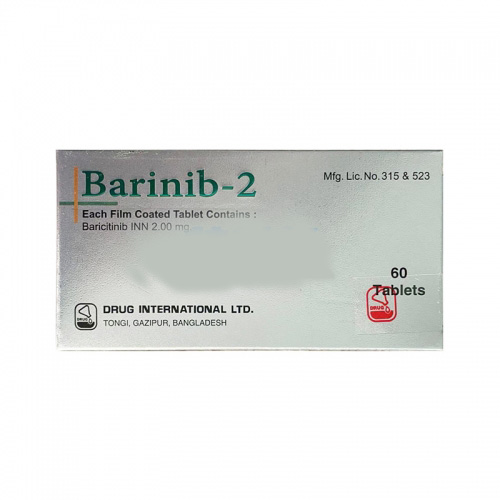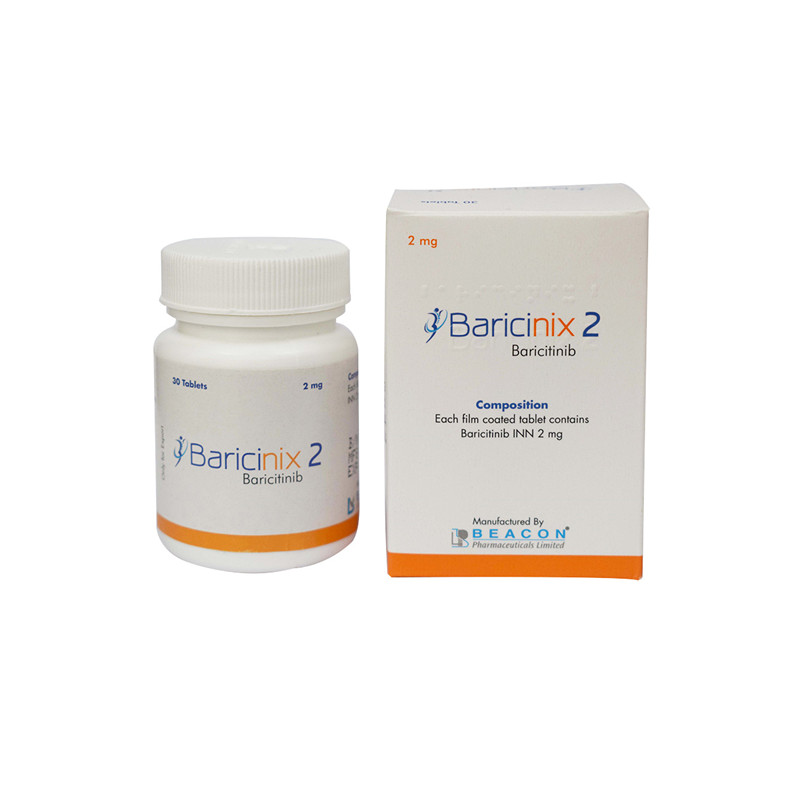

Baricitinib(巴瑞替尼)艾乐明的不良反应,Baricitinib(Baricitinib)常见副作用有:1、严重感染,如肺炎、带状疱疹和尿路感染;2、死亡率,50岁以上及有心血管疾病的患者有更高的全因死亡率;3、恶性肿瘤和淋巴增生性疾病;4、重大心血管不良事件;5、血栓形成;6、会出现过敏反应;7、胃肠道穿孔;8、可能会对胎儿造成损害。
Baricitinib (巴瑞替尼), also known as Olumiant, is a medication used for the treatment of rheumatoid arthritis, COVID-19, and alopecia areata. While it has shown significant efficacy in managing these conditions, it is essential to be aware of the potential adverse effects associated with its use. This article will discuss the adverse reactions of Baricitinib and provide an overview of the possible risks and considerations in its use.
1. Adverse reactions in the use of Baricitinib:
Baricitinib, like any other medication, can lead to various adverse reactions. These reactions may vary in severity from mild to severe. It is crucial to be aware of these potential side effects before starting treatment with Baricitinib. The most common adverse reactions reported include:
a. Infections: Baricitinib may increase the risk of infections, including respiratory tract infections, urinary tract infections, herpes zoster, and cellulitis. Patients should be monitored for signs of infection during treatment.
b. Gastrointestinal disturbances: Some patients may experience nausea, diarrhea, or abdominal pain while taking Baricitinib. If these symptoms persist or become severe, medical advice should be sought.
c. Hematologic abnormalities: Changes in the blood cell counts have been observed in some patients using Baricitinib. These may include decreases in white blood cell count, red blood cell count, and platelet count. Regular monitoring of blood counts is necessary during treatment.
2. Safety considerations for Baricitinib in rheumatoid arthritis:
Baricitinib has been approved for the treatment of rheumatoid arthritis, but it is important to consider certain safety aspects. Before initiating Baricitinib therapy, patients should be screened for latent tuberculosis infection, and any active infection should be treated prior to starting treatment. Additionally, Baricitinib is not recommended in patients with severe liver disease. Liver function tests should be monitored regularly during treatment.
3. Baricitinib in the management of COVID-19:
During the COVID-19 pandemic, Baricitinib has been investigated as a potential treatment option. It is approved for use in combination with remdesivir for the treatment of COVID-19 in certain patient populations. When using Baricitinib for COVID-19, it is important to consider potential risks, such as the increased susceptibility to infections. Patients should be closely monitored for signs of infection and other adverse reactions.
4. Adverse effects of Baricitinib in alopecia areata:
Alopecia areata is an autoimmune condition that causes hair loss. Baricitinib has shown promising results in the management of alopecia areata; however, it is associated with certain adverse effects. The most commonly reported adverse reaction in this context is acne. Dermatological monitoring is recommended during treatment to evaluate and manage any skin-related concerns.
In summary, Baricitinib is an effective medication for the treatment of rheumatoid arthritis, COVID-19, and alopecia areata. However, it is crucial to be aware of the potential adverse reactions associated with its use. Patients should be closely monitored for infections, gastrointestinal disturbances, and hematologic abnormalities. Additionally, safety considerations specific to each condition, such as screening for tuberculosis and liver function monitoring, should be taken into account. By understanding and managing these adverse effects, healthcare providers can ensure the safe and effective use of Baricitinib in clinical practice.