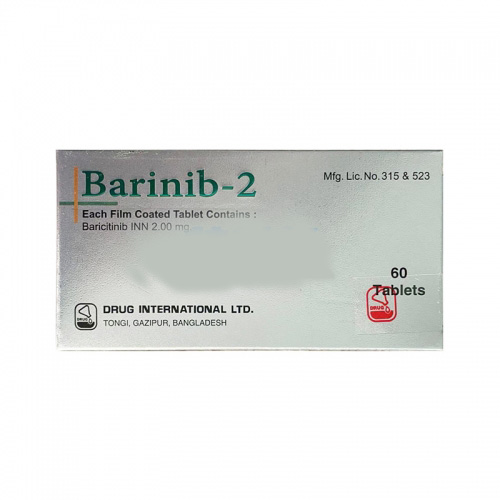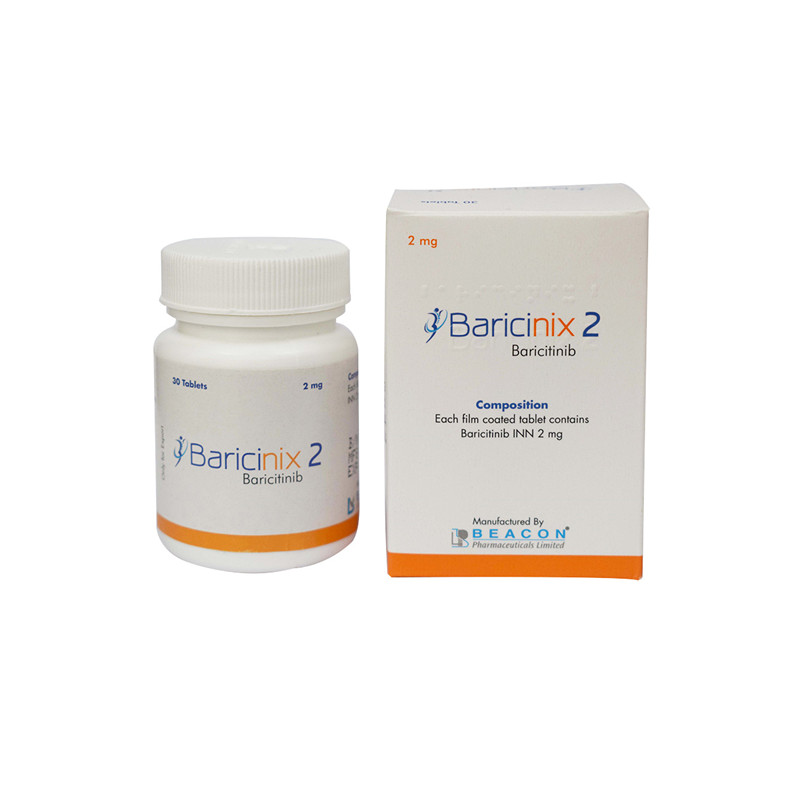
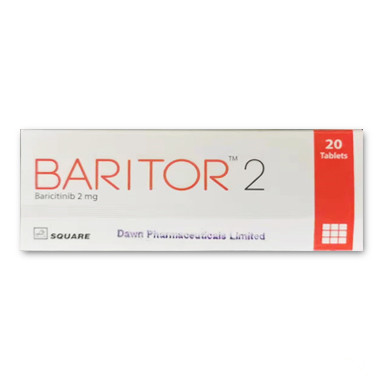
Baricitinib(巴瑞替尼)艾乐明的适应症和临床效果,巴瑞替尼(Baricitinib)是一种用于治疗特定自身免疫性疾病的药物。它的主要疗效包括:1、治疗类风湿性关节炎(RA);2、治疗中重度活动性溃疡性结肠炎(UC)。巴瑞替尼(Baricitinib)可以减轻炎症反应,减少结肠炎症状和改善肠道病变。该药品在治疗相关疾病方面表现出色,疗效显著、安全性高,极大地提高了患者的生活质量。
Baricitinib (巴瑞替尼) is a medication that has shown significant efficacy in several conditions, including rheumatoid arthritis, COVID-19, and alopecia areata. This article aims to provide an overview of the indications and clinical effects of Baricitinib, highlighting its benefits in treating these conditions.
1. Baricitinib for Rheumatoid Arthritis:
Rheumatoid arthritis (RA) is an autoimmune disease characterized by chronic inflammation of the joints. Baricitinib is an oral Janus kinase (JAK) inhibitor, which works by blocking the signaling pathway involved in the pathogenesis of RA. Clinical trials have demonstrated that Baricitinib is effective in reducing disease activity and joint damage in patients with moderate to severe RA who have not responded well to conventional disease-modifying antirheumatic drugs (DMARDs). It has been shown to improve symptoms, physical function, and quality of life in RA patients, providing an additional treatment option for this debilitating condition.
2. Baricitinib for COVID-19:
During the COVID-19 pandemic, Baricitinib has emerged as a potential therapeutic option. It has been found to possess anti-inflammatory properties that may be beneficial in mitigating the hyperinflammatory response associated with severe COVID-19. Clinical studies have demonstrated that Baricitinib, when used in combination with the antiviral drug remdesivir, can reduce the recovery time and the risk of progression to severe respiratory failure in hospitalized adult patients with COVID-19. This combination treatment has received emergency use authorization in many countries and has shown promise in improving clinical outcomes in COVID-19 patients.
3. Baricitinib for Alopecia Areata:
Alopecia areata is an autoimmune condition characterized by sudden hair loss, resulting in distinct areas of baldness. Baricitinib has shown potential as a therapeutic option for alopecia areata by modulating the immune response. In a clinical trial involving patients with moderate to severe alopecia areata, treatment with Baricitinib led to hair regrowth in a significant proportion of participants. The mechanism of action involves blocking the JAK-STAT signaling pathway, which is thought to be involved in the pathogenesis of alopecia areata. Baricitinib represents a promising treatment option for individuals suffering from this distressing condition.
In conclusion, Baricitinib has demonstrated efficacy in multiple conditions, including rheumatoid arthritis, COVID-19, and alopecia areata. As a JAK inhibitor, it effectively targets the underlying inflammation and immune dysregulation associated with these diseases. However, it is important to note that Baricitinib may have side effects, such as an increased risk of infections and thromboembolic events, which should be carefully monitored. As with any medication, it is essential for healthcare providers to evaluate the potential benefits and risks on an individual patient basis. Further research and clinical experience will provide a clearer understanding of Baricitinib's role in these conditions and may lead to more widespread use, ultimately benefiting patients worldwide.