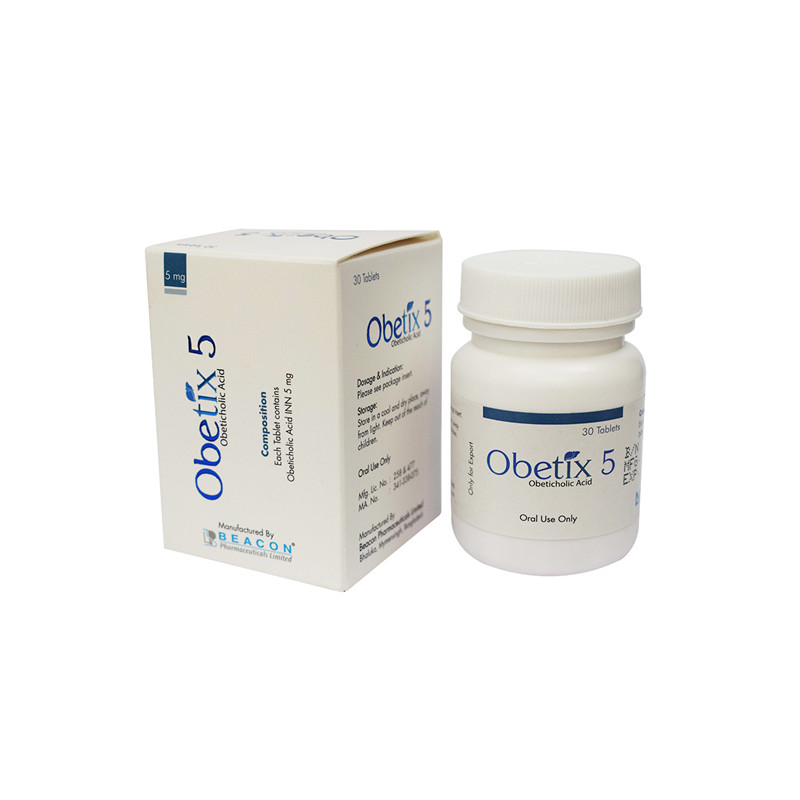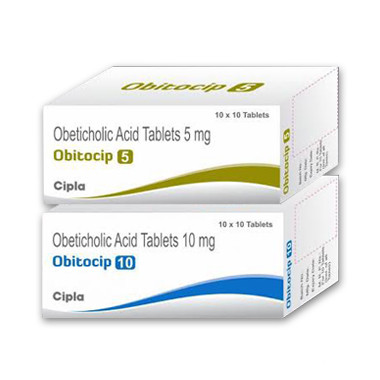

Obetix(奥贝胆酸)是治疗什么病的药,奥贝胆酸(Obeticholic acid)主要用于治疗原发性胆汁性胆管炎(PrimaryBiliaryCholangitis,PBC),这是一种慢性肝脏病,其特征是胆管的炎症和破坏,最终可能导致肝硬化。它是针对那些对于传统治疗,如使用胆酸(例如UrsodeoxycholicAcid,UDCA)无反应或不能耐受的成人患者的二线治疗。Obeticholicacid可以单独使用,也可以与UDCA联合使用。
Obeticholic acid (奥贝胆酸) is a medication used for the treatment of primary biliary cholangitis (PBC), a chronic liver disease. Here is an article discussing Obeticholic acid and its role in treating this specific condition.
Title: Obeticholic Acid: A Revolutionary Treatment for Primary Biliary Cholangitis
Introduction:
Primary biliary cholangitis (PBC) is an autoimmune liver disease that primarily affects the small bile ducts within the liver. Without proper treatment, PBC can lead to progressive liver damage, cirrhosis, and ultimately, liver failure. However, thanks to the advent of medications such as Obeticholic acid (奥贝胆酸), there is renewed hope for patients suffering from this condition. In this article, we will explore the efficacy of Obeticholic acid as a treatment for PBC and the impact it has on improving patient outcomes.
1. Understanding Primary Biliary Cholangitis:
Primary biliary cholangitis (PBC) is a chronic, autoimmune disorder that primarily affects the liver's bile ducts. In this condition, the immune system erroneously attacks and damages the small bile ducts, leading to impaired bile flow and gradual destruction of liver tissue. PBC predominantly affects middle-aged women and is often diagnosed at an early stage through routine blood tests. Without treatment, PBC can progress slowly, causing fibrosis, cirrhosis, and eventually liver failure.
2. The Role of Obeticholic Acid:
Obeticholic acid (奥贝胆酸) is a potent agonist of the farnesoid X receptor (FXR), a nuclear receptor that regulates bile acid synthesis, transport, and homeostasis. By activating FXR, Obeticholic acid helps to restore the balance of bile acid metabolism, reducing bile duct inflammation and liver damage. This medication has shown promising results in improving liver function and slowing down the progression of PBC.
3. Clinical Trials and Efficacy:
Numerous clinical trials have been conducted to evaluate the safety and efficacy of Obeticholic acid in treating PBC. These studies have demonstrated that Obeticholic acid can effectively reduce serum alkaline phosphatase (ALP) levels, a marker of liver injury, and improve liver histology. In fact, Obeticholic acid has been shown to effectively delay the progression of fibrosis, improve symptoms, and increase overall survival rates in PBC patients.
4. Adverse Effects and Considerations:
While Obeticholic acid has proven to be an effective treatment for PBC, it is important to consider potential side effects and contraindications. Some common adverse effects associated with this medication include pruritus (itching), fatigue, and diarrhea. Additionally, Obeticholic acid should be used with caution in patients with advanced liver disease or those who have experienced decompensated cirrhosis.
Conclusion:
Obeticholic acid (奥贝胆酸) has emerged as a revolutionary treatment option for patients diagnosed with primary biliary cholangitis (PBC). By targeting the underlying mechanisms of PBC and restoring bile acid homeostasis, Obeticholic acid effectively improves liver function, delays disease progression, and enhances the overall quality of life for PBC patients. However, it is essential for healthcare professionals to carefully consider each patient's individual needs and closely monitor for any potential adverse effects when prescribing Obeticholic acid as part of a comprehensive treatment plan for PBC.